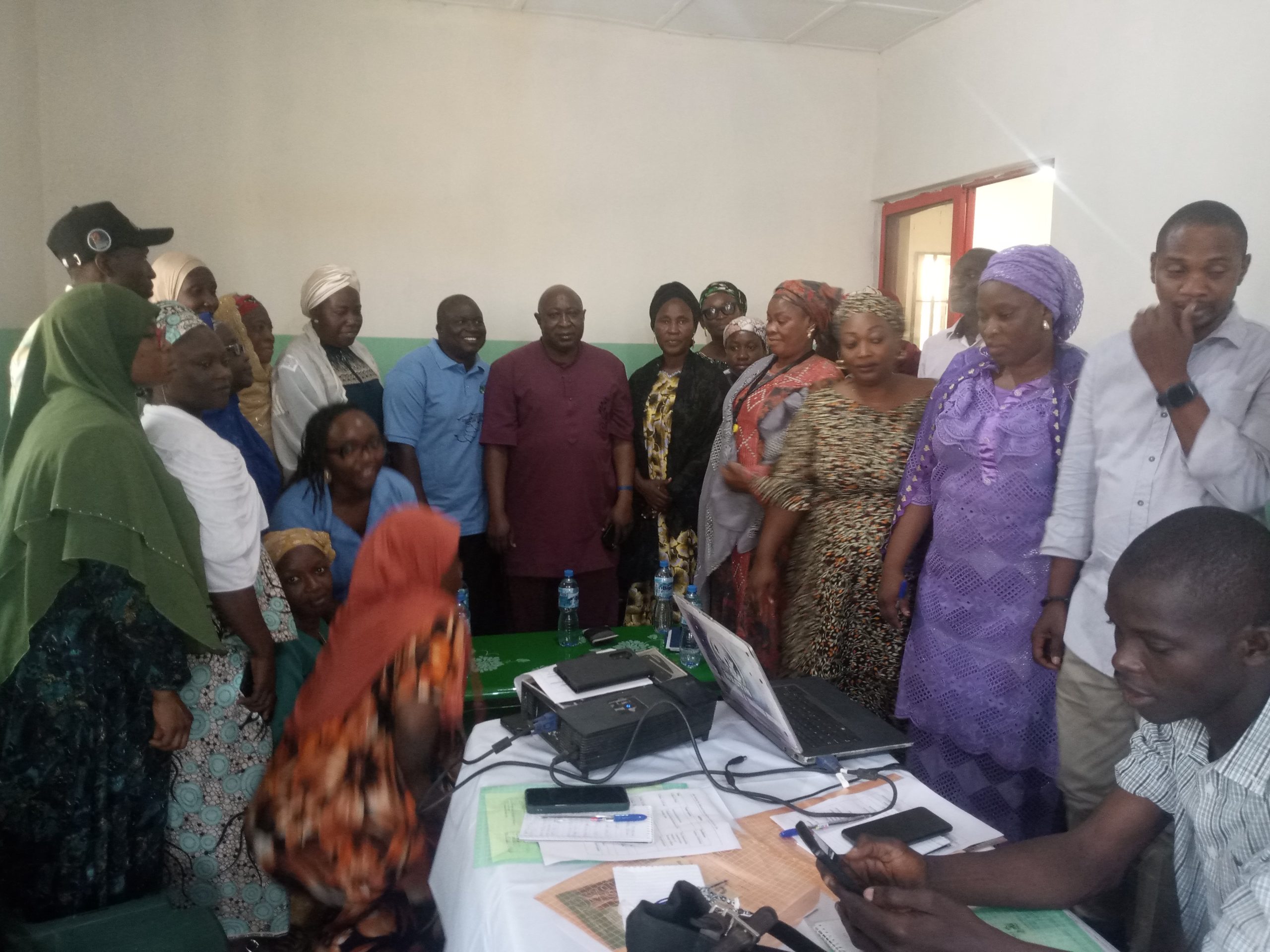
The Welfare for Children and Teenagers Initiative (WECTIN) on Thursday organised a comprehensive training on Gender-Based Violence (GBV) for selected school teachers in Ilorin South Local Government Area of Kwara State, as part of efforts to strengthen child protection and promote safer learning environments.
Declaring the training open, the Kwara State Commissioner for Women Affairs, Hon. Chief (Mrs) Afolashade Oluwakemi Opeyemi, commended WECTIN for what she described as a timely intervention that complements the state government’s ongoing efforts to combat GBV, strengthen advocacy, implement the Violence Against Persons Prohibition (VAPP) Law, and promote women’s economic empowerment.
Represented by the Director of Planning, Finance and Supply in the ministry, Alhaji Baba Rasheed Ubandawaki, the commissioner urged participants to cascade the knowledge gained to their colleagues and members of their communities.
She also encouraged the public to promptly report cases of violence to appropriate authorities to ensure timely intervention and justice for survivors.
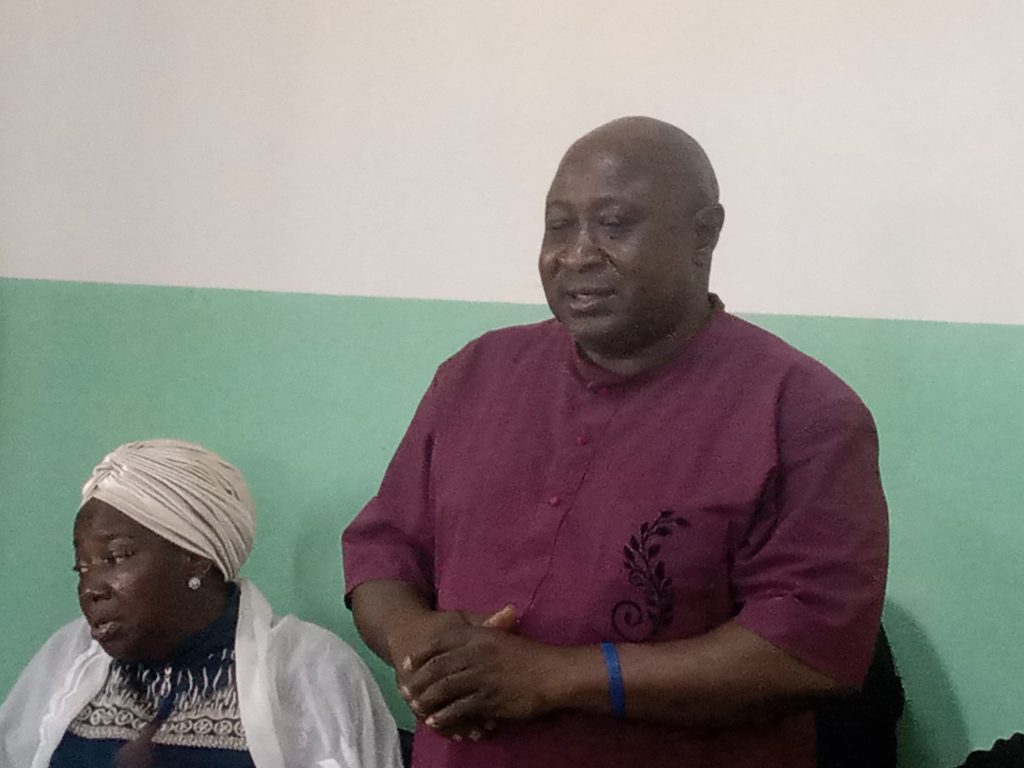
Speaking on the aim and objectives of the training, Mrs. Carolina Ojo explained that the programme was designed to equip school leaders and educators with the knowledge and skills required to prevent and respond effectively to gender-based violence in schools.
According to her, the objectives include helping participants understand GBV in the school context, identify and respond appropriately to cases, apply safe and ethical case management practices, and strengthen prevention and reporting systems within schools.
The Founder and Chief Executive Officer of WECTIN, Mr. Stephen Ojo, delivered a detailed presentation on the legal and ethical framework of GBV in Nigeria.
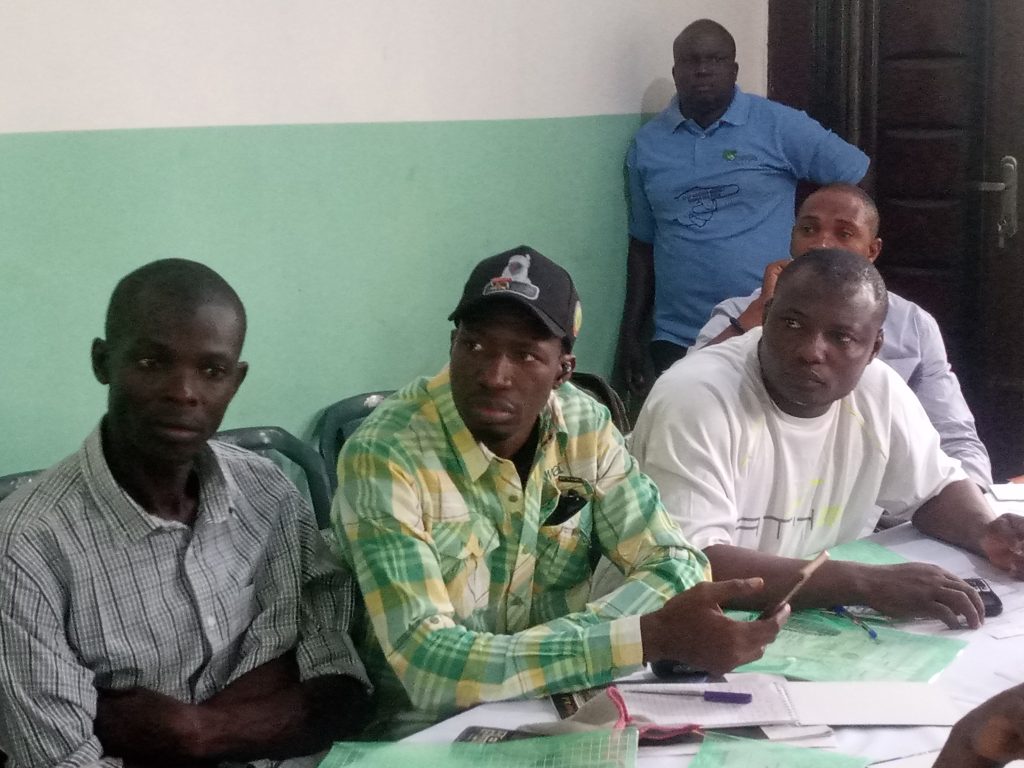
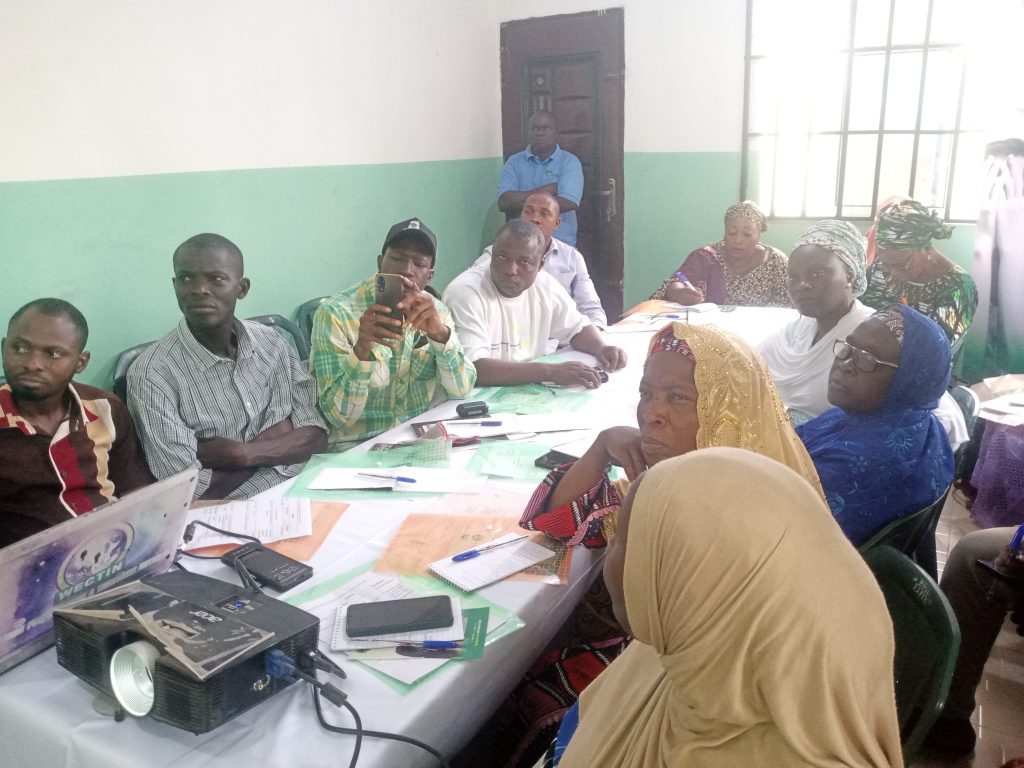
He highlighted key provisions of the Violence Against Persons Prohibition Act (VAPP) 2015, noting that the law offers a gender-neutral definition of rape and prescribes a minimum of 12 years’ imprisonment for offenders, regardless of gender or marital status, where consent is absent.
Ojo further explained that the VAPP Act is Nigeria’s first comprehensive criminal legislation addressing various forms of violence, including sexual violence, harmful traditional practices, and abuse, with provisions for victim protection, compensation, and sanctions for offenders.
He added that 34 states, including the Federal Capital Territory, have domesticated the Act, making it a critical tool in responding to GBV trends nationwide.
Other legal frameworks discussed include the 1999 Constitution of the Federal Republic of Nigeria (as amended), particularly Sections 33 and 34 on the right to life and dignity of the human person; the Child Rights Act (2003), which protects children from abuse and criminalises unlawful sexual intercourse with minors; as well as relevant provisions of the Penal Code and the Criminal Code Act.
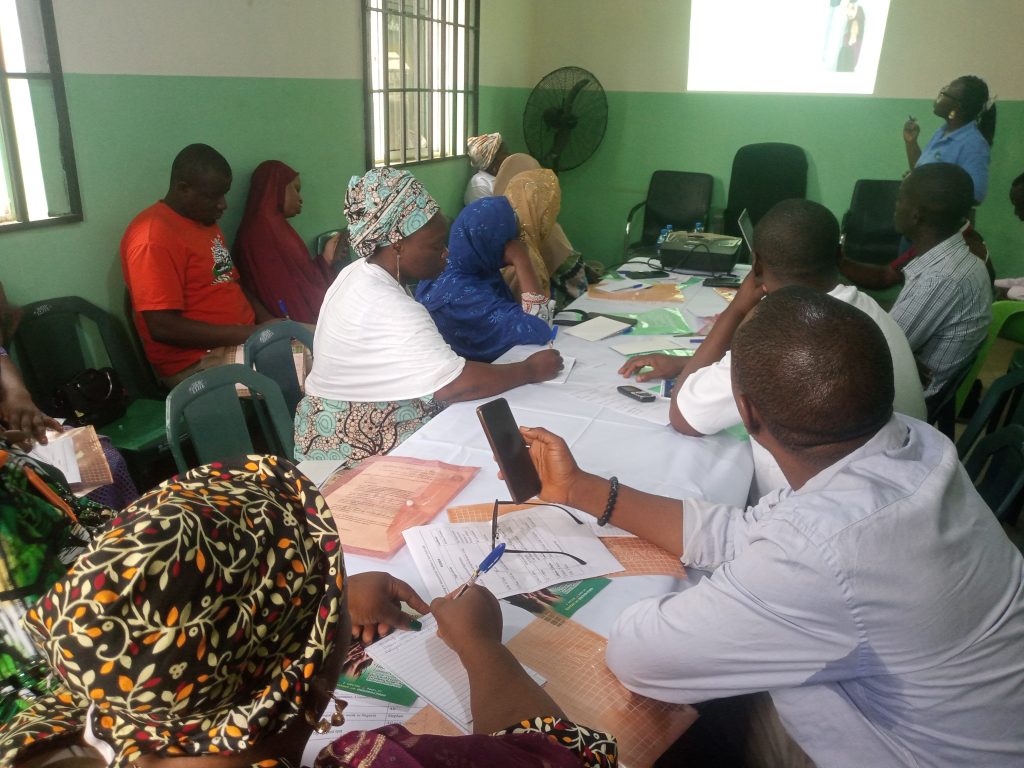
On access to justice, participants were educated on the roles of first and last responders in GBV cases, including security agencies, healthcare and psychosocial service providers, and legal institutions.
The training identified key service providers such as the Ministry of Justice, Ministry of Women Affairs, Ministry of Health, law enforcement agencies, the National Human Rights Commission, the Legal Aid Council, social welfare departments, and civil society organisations, including WECTIN.
The session also emphasised reporting protocols for GBV, including mandatory reporting, sensitive and trauma-informed handling of cases, inter-agency collaboration, confidentiality, and respect for survivors’ choices, rights, and dignity.
Earlier, a facilitator, Miss Ifeoluwa Adefila, presented an overview of gender-based violence in schools, describing GBV as an umbrella term for harmful acts perpetrated against individuals based on socially ascribed gender differences.
She noted that GBV is a public health issue, a human rights violation, and a major development challenge, affecting women and girls disproportionately, though men and boys may also be victims.
She explained that School-Related Gender-Based Violence (SRGBV) includes physical, sexual, emotional, and psychological abuse occurring within or around school environments, or on routes to and from school, including online spaces.
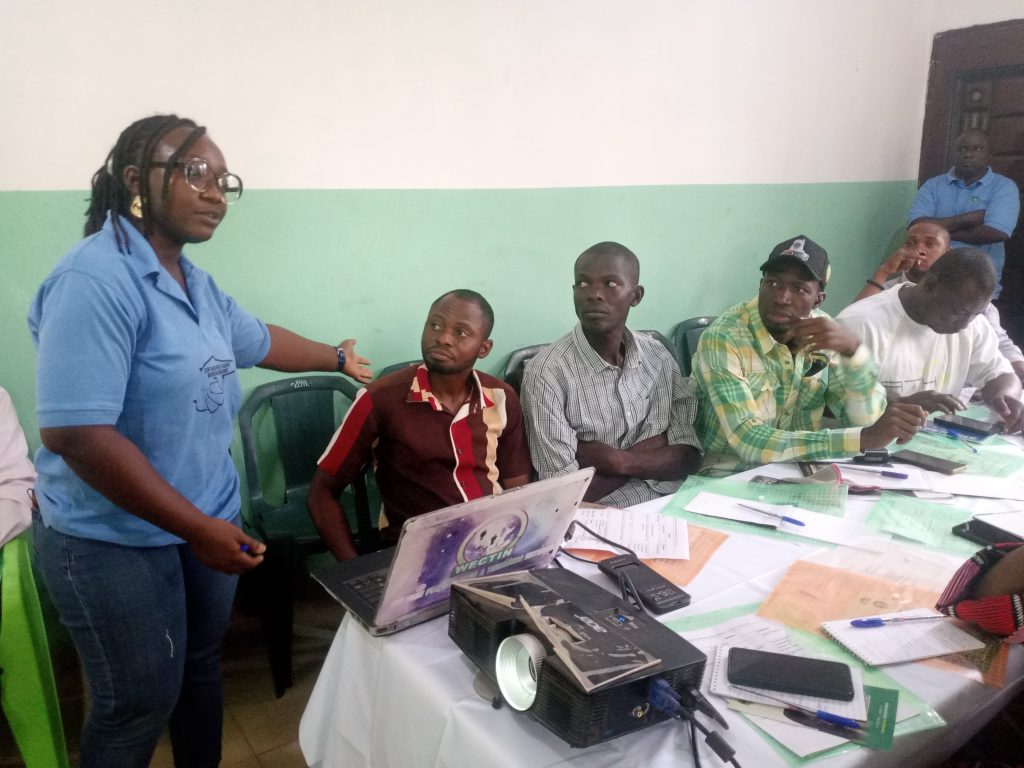
According to her, SRGBV undermines students’ mental health, educational performance, and self-esteem, often leading to absenteeism, dropout, early pregnancy, and forced marriage, particularly for girls.
The training outlined the roles of teachers, school principals, and counsellors in preventing and responding to GBV.
Teachers were urged to create safe classrooms, identify warning signs, listen without judgement, report cases through approved channels, and support survivors academically.
School heads were encouraged to enforce zero-tolerance policies, establish clear reporting mechanisms, liaise with relevant agencies, and ensure safe school environments.
Counsellors were tasked with providing psychological first aid, maintaining confidentiality, coordinating referrals, and offering ongoing support to survivors.
In its recommendations, WECTIN called on schools to establish clear child protection and GBV reporting policies, train staff on trauma-informed care, and create safe and confidential reporting systems.
Teachers and counsellors were advised to promote gender equality, respond appropriately to disclosures, and refer survivors to professional services, while students were encouraged to respect one another, speak out against violence, and seek help from trusted adults.
Communities were also urged to challenge harmful norms and support girls’ education and empowerment.
The organisers concluded that gender-based violence in schools remains a serious barrier to education and safety, especially for girls, stressing that ending school-related GBV requires sustained commitment, awareness, and collective action from educators, students, families, communities, and government institutions.
