Law
Court Dismisses Artee Industries Ltd’s Appeal against KWSG over Amusement Park Land
The Court of Appeal, Ilorin Judicial Division, has dismissed the appeal filed by Artee Industries Limited against the Kwara State Government over the disputed Amusement Park land located along Unity Road/Wahab Folawiyo Road, Ilorin, for lacking merit and substance.
It will be recalled that Hon. Justice Nureni Kuranga of the Kwara State High Court had earlier dismissed the suit instituted by Artee Industries Limited, resolving all issues in favour of the Defendants and holding that the Claimant was not entitled to the land in dispute.
Dissatisfied with the High Court’s decision, Artee Industries Limited appealed to the Court of Appeal, Ilorin Division. The Appellant sought, among other reliefs: An injunction restraining the Respondents from further acts of trespass on the parcel of land covered by Right of Occupancy No. KW 17223, measuring 4.371 hectares along Wahab Folawiyo Road, Ilorin.
A declaration that the Respondents’ acts of erecting a signpost, entering the land, leasing it, and cutting trees constituted trespass.
An order directing the Respondents to abate the alleged nuisance by ceasing all acts of trespass.
And an exemplary damages of ₦200,000,000.00 for alleged unlawful trespass and nuisance.
Counsel for the Kwara State Government, A.A. Daib, Director, Civil Litigation, mounted a robust defence. The State argued that Artee Industries Limited lacked valid title to the land, having failed to comply with the terms and conditions attached to the Provisional Allocation, including requisite payments, thereby invalidating any claim to legal or equitable interest.
In a unanimous decision, the Court of Appeal dismissed the appeal in its entirety, holding that it lacked merit.
The Court found that the Appellant failed to establish any legal or equitable rights over the land, having not fulfilled the necessary conditions attached to the grant.
Consequently, the Appellant lacked the locus to assert ownership or maintain an action for trespass.
The Kwara State Government welcomes the judgment, which affirms the State’s position and reinforces the importance of due compliance with statutory conditions in land allocations.
The Ministry of Justice remains committed to defending the public interest and upholding the rule of law in all matters.
The University of Ilorin has recorded yet another feat, as 16 of its Law graduates made First Class Honours at the recently concluded Bar Final Examinations of the Nigerian Law School. This is in addition to 58 others who made Second Class Upper in the examinations.
The University’s Director of Corporate Affairs, Mr Kunle Akogun, disclosed this in a press statement he made available to newsmen in Ilorin yesterday.
According to Mr Akogun, “this is the first time in the history of the University and its Faculty of Law that such a large number of its graduates would make First Class in the Final Bar Examinations. The closest to this was in 2023 when 10 of its Law graduates bagged the First Class grade.
He pointed out that the feat is “a direct impact of the administrative style of the Vice Chancellor, Prof. Wahab Olasupo Egbewole, SAN, who has invested so much in the service delivery efforts of the University.”
Mr Akogun further quoted the Vice Chancellor as saying that the performance of the Law graduates “is a thing of joy not just for the Faculty of Law but also for the University in general.”
Prof. Egbewole said that he had “always expected the Faculty to make record-breaking achievements, as it remains one of the best Faculties of Law in Nigeria in terms of staffing, facilities and service delivery.”
The Vice Chancellor, who is the latest Member of the Body of Benchers, noted that the feat reflects not only the individual industry, brilliance, discipline, and resilience of the Law graduates, but it is also a reflection of the strong academic foundation and culture of excellence nurtured at the University.
While commending the 16 First Class graduands for writing their names in gold, Prof. Egbewole praised all other graduates of the Faculty who also passed the Bar exams with various grades.
The Professor of Jurisprudence and International Law described the accomplishment as a “proud moment for the University and reflection of its ceaseless commitment to academic and professional excellence”.
Prof. Egbewole, who is also the Secretary-General of the Association of West Africa Universities (AWAU), encouraged the graduands to continue to serve as good ambassadors of the University in all their future endeavours.
By Ahmed Ajikobi
The Yakubu Gowon University, Abuja, formerly known as the University of Abuja, has approved the conferment of an Honorary Doctor of Laws (LLD) degree on eminent legal luminary, Professor Yusuf Olaolu Ali (SAN), the Kuliya of Ilorin, in recognition of his distinguished contributions to the legal profession and national development.
The decision was reached at the institution’s 83rd Extraordinary Meeting of the Governing Council, where members endorsed the recommendation of the University Senate to honour the senior advocate.
In an official communication issued on behalf of the Governing Council, Senate, management, staff and students, the Vice-Chancellor, Professor Hakeem B. Fawehinmi, formally invited Professor Ali to receive the prestigious award at the university’s forthcoming combined 29th and 30th convocation ceremony…
The event is scheduled to take place on Saturday, 18 April 2026, at 10:00 a.m., at the Convocation Square of the university’s main campus along Airport Road, Abuja.
The university described the conferment as a mark of profound respect for Professor Ali’s enduring impact within the legal field and his broader service to society. It also expressed anticipation of his presence at the ceremony, which is expected to attract dignitaries from across the country.
The Kuliya Ngari of Ilorin Emirate, Professor Yusuf Olaolu Ali, a Senior Advocate of Nigeria and principal partner at Ghalib Chambers, is widely regarded for his exemplary legal practice, academic influence, and philanthropic engagements.
The convocation ceremony will also feature the award of degrees, diplomas and prizes to graduating students, alongside other honorary recognitions.
By Hauwa Imam
The Author of the book is Abiodun AbdulKareem, the Acting Editor of the Herald on Sunday, who is a seasoned journalist and two term Chairman of the Nigerian Union of Journalists (NUJ) Kwara State Chapter.
Prelude
On Thursday 15th January 2026, all roads led to Al Hikma University auditorium, the venue of the book launching of Kuliya of Ilorin: A Life of Purpose. The hall was packed full of people from all works of life, dignitaries, professional colleagues, friends, mentees, and beneficiaries of his support as well as family members. They had all come to celebrate an enigma, Professor (Mallam) Yusuf Olaolu Ali, SAN, whose legacy is a testament to the power of mentorship, ethical leadership, and a life lived in service to others. As the legal luminary was called to the stage, he stood up from his front row seat, cutting a regal figure in flowing robes and turban as he gingerly made his way up stage with auto most humility and grace amidst thunderous ovation and chants of S-H-E-H-U!!!
Introduction
The book Kuliya of Ilorin: A Life of Purpose opens with a compelling exploration of the Kuliya institution’s lasting role in the Ilorin Emirate. It positions the Kuliya as both a historical entity and a living tradition that continues to shape Nigeria’s socio‑political and religious landscape. By interweaving history, culture, and personal narrative, the book moves beyond biography, showing how the Kuliya’s legacy remains relevant after the Fulani Jihad and through the Emirate’s evolution. The work comprises eleven chapters in two parts; five chapters in Part I and six in Part II.
Part I: The Kuliya Institution in Historical Perspective
This section examines the blend of spiritual and temporal authority that defines the Ilorin Emirate. It shows how the Emir and senior titleholders, guided by Kuliya tradition, have long upheld Islamic values, fostered social harmony, resolved conflicts, and promoted community service. Even amid colonial and post‑colonial reforms, the Kuliya’s commitment to legal acumen, moral integrity, and purposeful existence has kept it relevant. Islamic jurisprudence , theology, and ethical leadership have shaped governance and education, while the institution’s adaptability, integrating traditional values with modern administration, it offers a blueprint for contemporary governance.
Part II: The Life and Legacy of Yusuf Olaolu Ali
Transitioning from institution to individual, the book paints a richly textured portrait of Yusuf Ali . Rooted in Ilorin yet influential nationally and internationally, his life reflects humility, perseverance, and clear purpose. Early experiences instilled intellectual rigor and moral fortitude, hallmarks of his distinguished academic and professional journey. His appointment as Notary Public by the Chief Justice of Nigeria and later recognition as Senior Advocate of Nigeria are presented as affirmations of character, not merely career milestones.
A Look at the Appendices
The appendices serve as a testament to Yusuf’s extensive influence, documenting his active engagement with national and international bodies, professional associations, and civic platforms. His contributions to healthcare, education, and legal advocacy stand as enduring markers of a life dedicated to transformative service. What truly sets Yusuf apart is his devotion to inclusivity, mentorship, and social responsibility. Let’s examine how these come across in the book.
Yusuf Olaolu Ali, SAN: A Legacy of Transformative Impact
In Kuliya of Ilorin: A Life of Purpose, the portrait of Yusuf Ali is not just that of a distinguished legal mind, but of a leader whose influence radiates across law, education, governance, and community development. The book meticulously details how his life’s work has left an indelible mark on individuals and institutions alike.
Champion of Legal Excellence and Ethical Advocacy
Yusuf Ali’s legal career is a testament to the power of integrity and service. His appointment as Notary Public by the Chief Justice of Nigeria and subsequent elevation to Senior Advocate of Nigeria are presented as milestones that reflect not only professional achievement but also a steadfast commitment to justice. What sets him apart is his dedication to pro-bono advocacy taking on cases for the underserved and involving young lawyers in real legal work. This hands-on mentorship provides emerging professionals with invaluable experience and a strong ethical foundation, ensuring that the next generation of lawyers is both skilled and principled.
Architect of Educational and Institutional Reform
Beyond the courtroom, Yusuf Olaolu Ali, SAN, has been a driving force in educational advancement and institutional transformation. As Pro-Chancellor, he has played a pivotal role in university governance, mentoring faculty and administrators to uphold academic excellence and integrity. His leadership in national academic frameworks has translated legal expertise into meaningful reforms, shaping policies that foster innovation and accountability in higher education. By nurturing future leaders and advocating for robust academic standards, he has helped build institutions that are resilient, inclusive, and forward-looking.
Builder of Community and Social Responsibility
The book highlights Yusuf Ali’s unwavering commitment to social responsibility. He encourages students and early-career professionals to participate in educational and health initiatives, instilling in them a sense of duty to give back to their communities. His involvement in national and international bodies has created platforms for professional networking, enabling mentees to broaden their horizons and access new opportunities. These efforts have a ripple effect, empowering individuals to become agents of positive change in their own right.
Mentor for Life: Sustained, Personal Investment
Perhaps most remarkable is Yusuf Olaolu Ali’s philosophy of mentorship as a lifelong commitment. He maintains enduring relationships with his mentees, offering guidance and encouragement throughout their careers. This long-term support is more than professional courtesy—it is a deliberate investment in the growth and success of others. The book provides specific examples: from guiding young lawyers through complex cases, to supporting university staff in their professional development, to fostering networks that connect mentees with global opportunities.
A Model for Purposeful Leadership
Through these multifaceted contributions, Yusuf Ali emerges as a model of purposeful leadership. His life demonstrates that true achievement is measured not by titles or accolades, but by the positive, lasting impact one has on others and on society. The book’s concluding chapters elevate his story into a moral compass for contemporary leaders, showing that discipline, humility, and service are the cornerstones of enduring success.
Conclusion
The book Kuliya of Ilorin: A Life of Purpose offers a rich, detailed account of Yusuf Olaolu Ali’s transformative impact, one that extends far beyond the legal profession to touch education, governance, and community life. His legacy is a testament to the power of mentorship, ethical leadership, and a life lived in service to others.
The book is not only enlightening but engaging. It is perfect for readers who love history with a purpose as it weaves the ancient Kuliya institution with the modern journey of Yusuf Ali showing how tradition fuels contemporary change. It is a must read for scholars, students, legal professionals, and general interest readers who will find a good companion in the book. In addition, policy makers can gain timeless governance insights from a living tradition to inform modern policy and community building. Furthermore, anyone interested in how heritage can inspire today’s leaders will find the book useful.
Happy reading!
Hauwa Imam the reviewer is a Professor and the Director, Digital Pedagogy & Online Learning, University of Abuja. She is a celebrated Writer, Author and Playwright among others. E-mail:drhauwaimam@gmail.com, Tel. No.: 08035929543
The Kwara State High Court has dismissed a case filed by the Registered Trustees of Elite Network for Sustainable Development (ENETSUD) against several Ministries, Departments, and Agencies (MDAs) of the Kwara State Government. The case, which sought to compel the MDAs to release information on capital projects undertaken in the state, was deemed statute-barred by the court.
According to Justice Dikko, the court was constrained to dismiss the case due to the provisions of Section 20 of the Freedom of Information Act, which stipulates a 30-day time limit for instituting an action.
ENETSUD had filed the case four months and several days after the cause of action arose, without seeking leave of the court to extend the time limit.
The court upheld the objection raised by the Attorney General of Kwara State, Senior Ibrahim Sulyman, who argued that the case was statute-barred and that the applicant had no locus to sue.
The court agreed, ruling that the action was a clear abuse of the process and a waste of judicial time.
The dismissal of the case highlights the importance of adhering to statutory timelines in seeking redress. The court’s decision underscores the need for applicants to be diligent in pursuing their rights under the Freedom of Information Act.
ENETSUD had sought an order of mandamus to compel the MDAs to grant the information requested, but the court found that the action was not instituted within the prescribed time limit and therefore could not be entertained.
The case serves as a reminder of the importance of respecting statutory timelines and the consequences of failing to do so.
WECTIN trains teachers on Gender-Based Violence prevention in Kwara schools
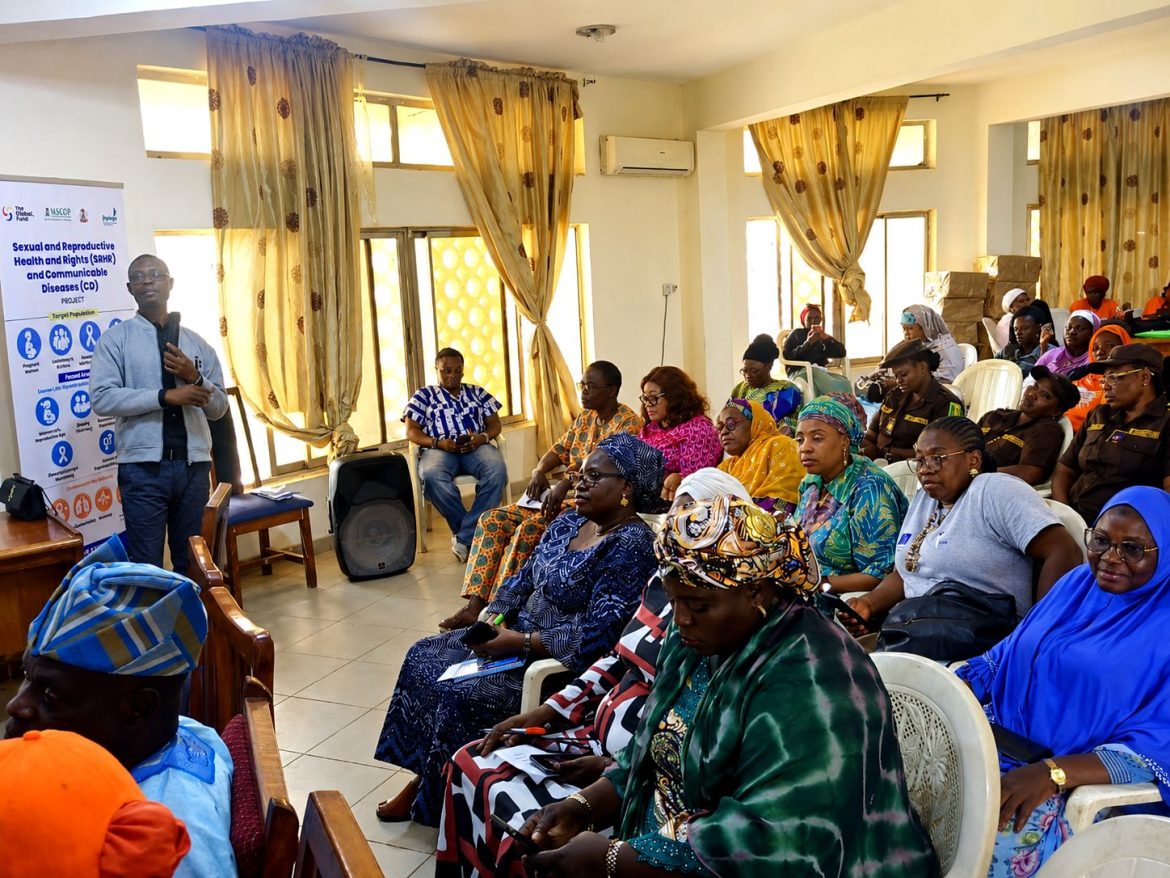
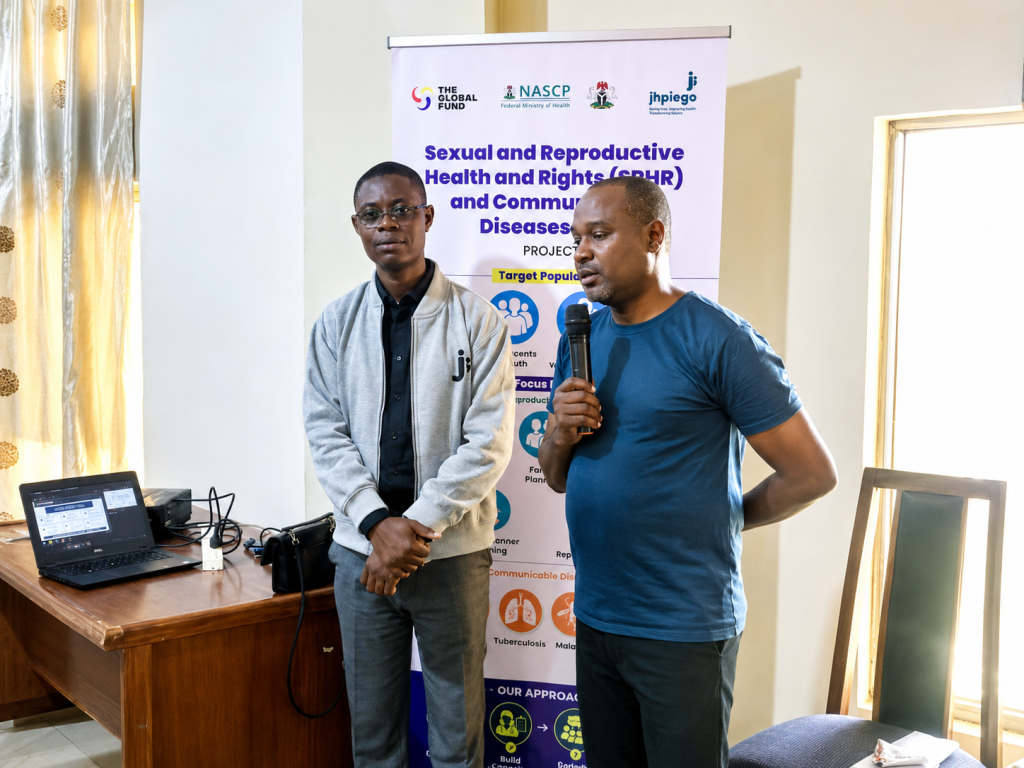
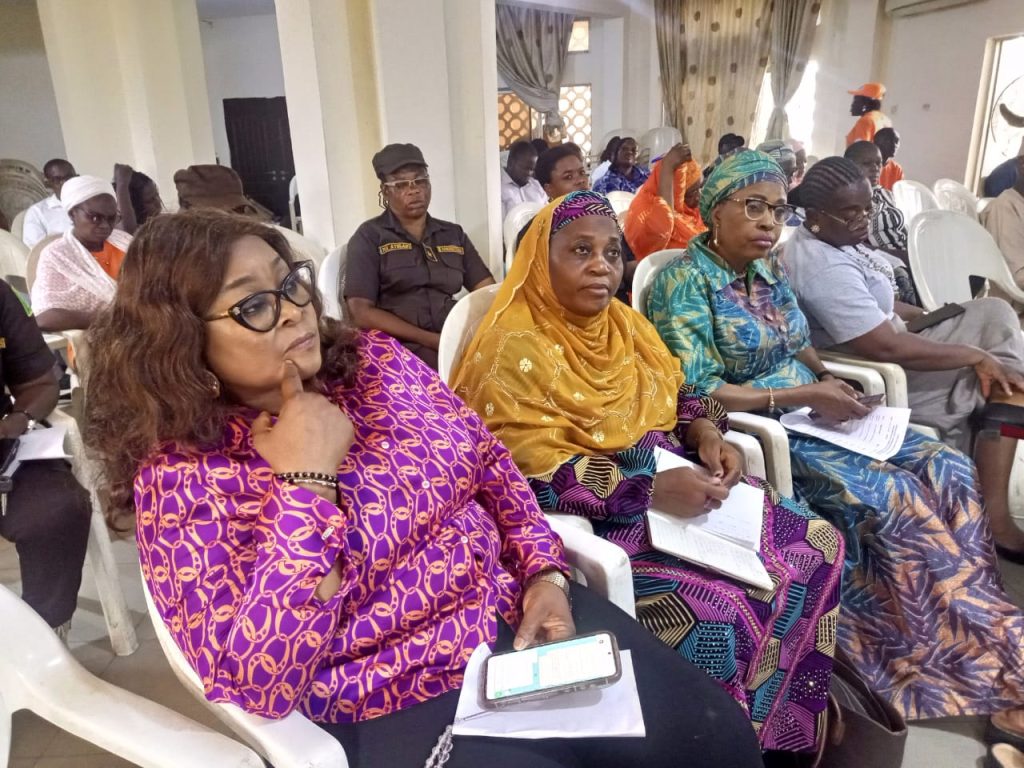
The Welfare for Children and Teenagers Initiative (WECTIN) on Thursday organised a comprehensive training on Gender-Based Violence (GBV) for selected school teachers in Ilorin South Local Government Area of Kwara State, as part of efforts to strengthen child protection and promote safer learning environments.
Declaring the training open, the Kwara State Commissioner for Women Affairs, Hon. Chief (Mrs) Afolashade Oluwakemi Opeyemi, commended WECTIN for what she described as a timely intervention that complements the state government’s ongoing efforts to combat GBV, strengthen advocacy, implement the Violence Against Persons Prohibition (VAPP) Law, and promote women’s economic empowerment.
Represented by the Director of Planning, Finance and Supply in the ministry, Alhaji Baba Rasheed Ubandawaki, the commissioner urged participants to cascade the knowledge gained to their colleagues and members of their communities.
She also encouraged the public to promptly report cases of violence to appropriate authorities to ensure timely intervention and justice for survivors.

Speaking on the aim and objectives of the training, Mrs. Carolina Ojo explained that the programme was designed to equip school leaders and educators with the knowledge and skills required to prevent and respond effectively to gender-based violence in schools.
According to her, the objectives include helping participants understand GBV in the school context, identify and respond appropriately to cases, apply safe and ethical case management practices, and strengthen prevention and reporting systems within schools.
The Founder and Chief Executive Officer of WECTIN, Mr. Stephen Ojo, delivered a detailed presentation on the legal and ethical framework of GBV in Nigeria.


He highlighted key provisions of the Violence Against Persons Prohibition Act (VAPP) 2015, noting that the law offers a gender-neutral definition of rape and prescribes a minimum of 12 years’ imprisonment for offenders, regardless of gender or marital status, where consent is absent.
Ojo further explained that the VAPP Act is Nigeria’s first comprehensive criminal legislation addressing various forms of violence, including sexual violence, harmful traditional practices, and abuse, with provisions for victim protection, compensation, and sanctions for offenders.
He added that 34 states, including the Federal Capital Territory, have domesticated the Act, making it a critical tool in responding to GBV trends nationwide.
Other legal frameworks discussed include the 1999 Constitution of the Federal Republic of Nigeria (as amended), particularly Sections 33 and 34 on the right to life and dignity of the human person; the Child Rights Act (2003), which protects children from abuse and criminalises unlawful sexual intercourse with minors; as well as relevant provisions of the Penal Code and the Criminal Code Act.

On access to justice, participants were educated on the roles of first and last responders in GBV cases, including security agencies, healthcare and psychosocial service providers, and legal institutions.
The training identified key service providers such as the Ministry of Justice, Ministry of Women Affairs, Ministry of Health, law enforcement agencies, the National Human Rights Commission, the Legal Aid Council, social welfare departments, and civil society organisations, including WECTIN.
The session also emphasised reporting protocols for GBV, including mandatory reporting, sensitive and trauma-informed handling of cases, inter-agency collaboration, confidentiality, and respect for survivors’ choices, rights, and dignity.

Earlier, a facilitator, Miss Ifeoluwa Adefila, presented an overview of gender-based violence in schools, describing GBV as an umbrella term for harmful acts perpetrated against individuals based on socially ascribed gender differences.
She noted that GBV is a public health issue, a human rights violation, and a major development challenge, affecting women and girls disproportionately, though men and boys may also be victims.
She explained that School-Related Gender-Based Violence (SRGBV) includes physical, sexual, emotional, and psychological abuse occurring within or around school environments, or on routes to and from school, including online spaces.

According to her, SRGBV undermines students’ mental health, educational performance, and self-esteem, often leading to absenteeism, dropout, early pregnancy, and forced marriage, particularly for girls.
The training outlined the roles of teachers, school principals, and counsellors in preventing and responding to GBV.
Teachers were urged to create safe classrooms, identify warning signs, listen without judgement, report cases through approved channels, and support survivors academically.
School heads were encouraged to enforce zero-tolerance policies, establish clear reporting mechanisms, liaise with relevant agencies, and ensure safe school environments.
Counsellors were tasked with providing psychological first aid, maintaining confidentiality, coordinating referrals, and offering ongoing support to survivors.
In its recommendations, WECTIN called on schools to establish clear child protection and GBV reporting policies, train staff on trauma-informed care, and create safe and confidential reporting systems.
Teachers and counsellors were advised to promote gender equality, respond appropriately to disclosures, and refer survivors to professional services, while students were encouraged to respect one another, speak out against violence, and seek help from trusted adults.
Communities were also urged to challenge harmful norms and support girls’ education and empowerment.
The organisers concluded that gender-based violence in schools remains a serious barrier to education and safety, especially for girls, stressing that ending school-related GBV requires sustained commitment, awareness, and collective action from educators, students, families, communities, and government institutions.
Hearing resumed today at the Court of Appeal sitting in Ilorin in an appeal filed by a contestant in the 2024 Nigeria Union of Journalists (NUJ), Kwara State Council election, Dare Akogun, alongside other aggrieved parties, over the disputed outcome of the poll.
The appeal, marked CA/IL/28M/2025, challenges the judgment of the National Industrial Court (NIC), Ibadan Division, which had earlier struck out a suit contesting the conduct of the election.
In his application before the Court of Appeal, Akogun argued that the National Industrial Court erred by striking out the case despite a pending motion seeking his joinder as a party to the suit.
He maintained that he was a major contestant in the July 31, 2024 election and that the withdrawal of the original claimants in the suite did not extinguish the grievances of other affected members.
According to Akogun, the claimants whose case was struck out were among his supporters who were allegedly disenfranchised through what he described as the unlawful disqualification of their chapels.
“The withdrawal of the claimants was not reflective of the broader injustice suffered by many members of the NUJ Kwara State Council. The alleged irregularities, including manipulation of the delegate list and unlawful disqualification of members, significantly affected the outcome of the election,” he stated in his appeal.
It would be recalled that the National Industrial Court, in a ruling delivered on March 4, 2025, in Suit No: NICN/IL/08/2024, struck out the suit after the original claimants voluntarily withdrew the case.
Justice J. D. Peter, who delivered the ruling, held that the withdrawal rendered all pending applications academic and unnecessary. The court also awarded a cost of ₦700,000 against the first claimant, Fadeyi Babajide, for what it described as wasting judicial time.
However, the aggrieved journalists have insisted that the matter is far from settled.
Counsel to the petitioners, Issa Manzuma, argued that the withdrawal of the suit by some claimants did not extinguish the rights of other affected parties to seek redress.
“Justice must be served. The alleged electoral fraud affected the credibility of the election and undermined the democratic principles the NUJ stands for,” the aggrieved members stated.
The appeal before the Court of Appeal specifically challenges the failure of the lower court to determine Akogun’s application for joinder before striking out the suit.
The appellants further contended that the alleged disqualification of members from the Federal Information, State Information, and Correspondents’ Chapels was unconstitutional and tilted the election in favour of the incumbent chairman.
The July 31, 2024 NUJ election in Kwara State has remained controversial, with allegations of vote manipulation, exclusion of eligible delegates, and procedural breaches continuing to trail the process.
The petitioners are seeking, among other reliefs, the nullification of the election and the conduct of a fresh poll to ensure transparency, fairness, and strict adherence to union electoral guidelines.
After hearing arguments from counsel, the Court of Appeal adjourned the matter and reserved ruling to a date to be communicated to the parties.
Kwara State High Court Continues Hearing in Augustine Ojo Adeniyi’s Murder Case
The Kwara State High Court has adjourned the trial of Augustine Ojo Adeniyi’s murder case to February 16 for a trial-within-trial. The Attorney General and Commissioner for Justice, Senior Ibrahim Sulyman Esq, is leading the prosecution team.
During the hearing, Prof. Azeez Ibrahim, a medical practitioner and pathologist, testified as PW6 that the body of the deceased was brought to the University of Ilorin Teaching Hospital on September 29, 2023. The witness was cross-examined by Lambo Esq.
Another witness, an inspector, testified that the investigation team recovered various items from the crime scene at Water View Guest House, Ilorin, including a female black bag containing ATM cards, a driving license, and other personal belongings. The defendant allegedly confessed to killing the victim by suffocation in room 403 of the guest house ¹.
The case is ongoing, and the court will determine the validity of the defendant’s confession during the trial-within-trial.
A Magistrate Court, sitting in Ilorin, the Kwara State capital, today, slammed two middle aged businessmen three and half years imprisonment for forging police document.
Magistrate T.A. Saidu handed down the judgement against the two convicts: Tunde Taiwo and Ojebode Adebayo after they both pleaded guilty to the offences.

They were convicted and sentenced accordingly for the offences of criminal conspiracy and false personation, though the 2nd convict was given option of fine.
According to the Police First Information Report, the 1st convict, being a computer operator was in the habit of forging police extract to support change of ownership for stolen items.
The State Intelligence Department (SID) through scrutiny of police documents discovered that the 1st convict with his accomplice were using their computer literacy skill to forge document in order to legitimize stole items.
Forged police extract for change of ownership and one affidavit for change of ownership purportedly issued by the Sharia Court were recovered from his possession.