By Fatima Mohammed-Lawal
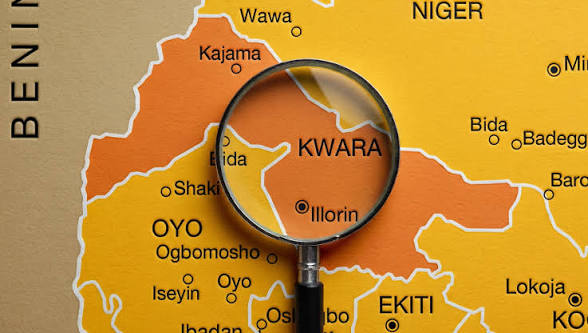
Ilorin, Oct. 15, 2026 (NANDoctors in the service of the Kwara Government have commenced a seven-day warning strike over unresolved welfare concerns and deductions from their salaries for the Kwara Health Insurance Scheme (KHIS).
The News Agency of Nigeria (NAN) reports that the strike action includes doctors under the Kwara Doctors Forum.
They includes the Medical and Dental Consultants Association of Nigeria (MDCAN), the National Association of Government General Medical and Dental Practitioners (NAGGMDP) and the Association of Resident Doctors (ARD), KWASUTH.
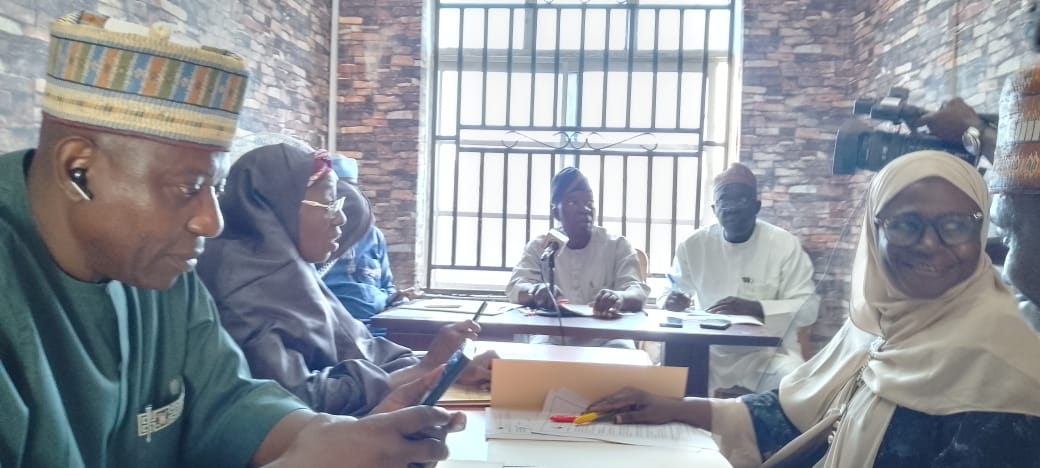
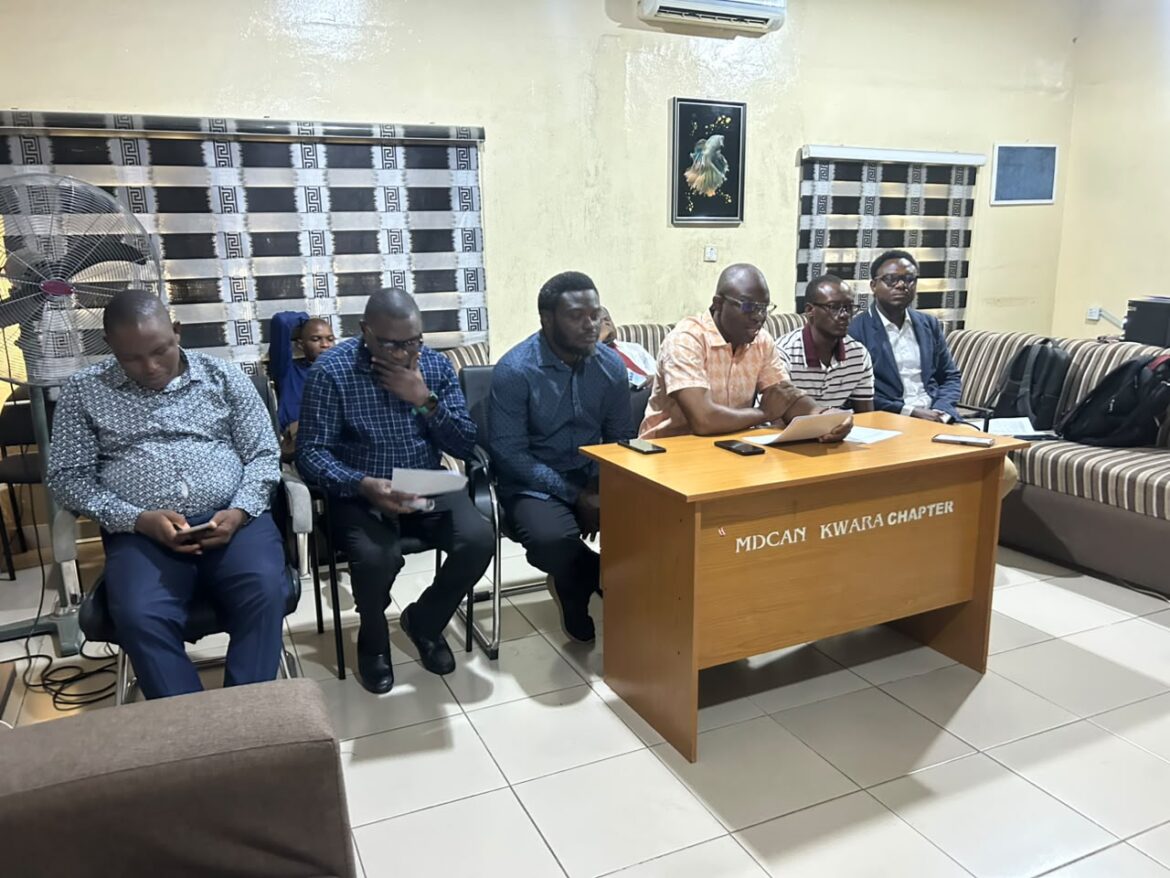
Speaking at a news conference on Thursday in Ilorin, the Chairman, MDCAN, Dr Adeola Olasinde, said the decision was reached at its congress held on Oct. 14, following the expiration of a 14-day ultimatum issued to the state government.
Olasinde stated that the ultimatum, which ran from Oct. 1 to Oct. 14, was to address welfare concerns, including the sudden salary deductions for the Kwara Health Insurance Scheme (KwaraCare).
According to him, there is also the issue of non-implementation of the Consolidated Medical Salary Structure (CONMESS); the official salary scale for medical doctors and dental surgeons in Nigerian government service.
Olasinde insisted that the government must reverse the two per cent salary deduction for the KHIS and initiate payment of approved 2025 and 2026 accoutrement allowance arrears.
According to him, government must also recruit house officers, medical officers, resident doctors and consultants across healthcare facilities.
They also demanded renovation of the House Officers’ Quarters in teaching hospitals and establishment of the Governing Board of the Kwara State University Teaching Hospital (KWASUTH) in accordance with its enabling Act.
The forum clarified that its position was not against Health Insurance or government’s efforts to expand access to affordable healthcare.
Olasinde observed that a health insurance scheme financed through salary-based contributions must be built on transparency, accountability, due process and confidence of contributors.
“The sudden deductions of two per cent of our salaries without prior agreement and satisfactory clarification on the processes and management of the contributed funds leaves us in serious doubts.
“The management of Public Health Insurance Funds must be subject to clearly defined institutional controls and collective oversight.
“There should also be transparent financial procedures, independent audit and appropriate legislative and regulatory supervision,” he said.
Olasinde advocated for involvement of relevant stakeholders in policy formulation, governance, monitoring and periodic review of the scheme.
He explained that the objective was to ensure the scheme operates in the best interest of the people and that workers’ contributions translate to accessible and quality healthcare.
Similarly, the forum apologised for any inconvenience the action may cause patients and the public.
“The warning strike is not our preferred course of action but is adopted reluctantly after dialogue failed,” he said.
Olasinde called on Gov. AbdulRahman AbdulRazaq and relevant authorities to intervene urgently, and address the demands.
In his reaction, the Medical Director of KWASUTH, Dr Ahmed Abdul-Qadir, appealed to the striking doctors in Kwara to return to work to prevent avoidable loss of lives.
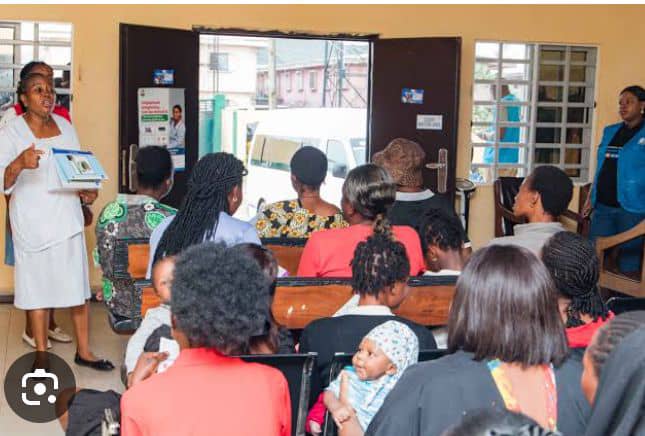
AbdulQadir said the hospital was operating at full capacity, with critically ill patients in the wards and Intensive Care Unit, including women who had recently undergone surgery.
He described the situation as unfortunate and urged the medical associations to resolve the dispute quickly in the interest of patients.
The CMD expressed confidence in the state government’s commitment to workers’ welfare, particularly those in the health sector.
He therefore appealed to the doctors to resume duty to ensure uninterrupted healthcare delivery.