
Craft Innovation Hub (CIH) is pleased to announce the establishment of a structured technical partnership with the National Productivity Centre (NPC) for productivity capacity building across eligible CIH programmes in Kwara State.
The partnership formalises NPC’s technical support for the Productivity Core component of eligible CIH programmes in Kwara State.
Under the Memorandum of Understanding, NPC’s role is to serve as the technical partner for the Productivity Core component of relevant programmes, while CIH leads programme delivery, coordination, mobilisation, learning infrastructure, and administration.
The partnership is designed to create a more disciplined bridge between skills development and productivity practice. It reflects a shared commitment to practical learning, workforce readiness, measurable programme quality, and accountable reporting.
CIH’s broader institutional model is already built around practical digital skills, pathways to income, SME support, social impact programming, and clear results for partners and communities, making this collaboration both timely and operationally aligned.
Within the agreed scope, NPC’s technical support may include co-branded programme endorsement, Productivity Core curriculum ownership or validation, nomination of resource persons, certificate validation or co-signature, monitoring and evaluation framework support, participation in capstone showcase activities, and reference letters for sponsor or stakeholder outreach where appropriate.
These elements are intended to strengthen quality assurance, improve programme credibility, and ensure that eligible CIH programmes carry a stronger productivity foundation.
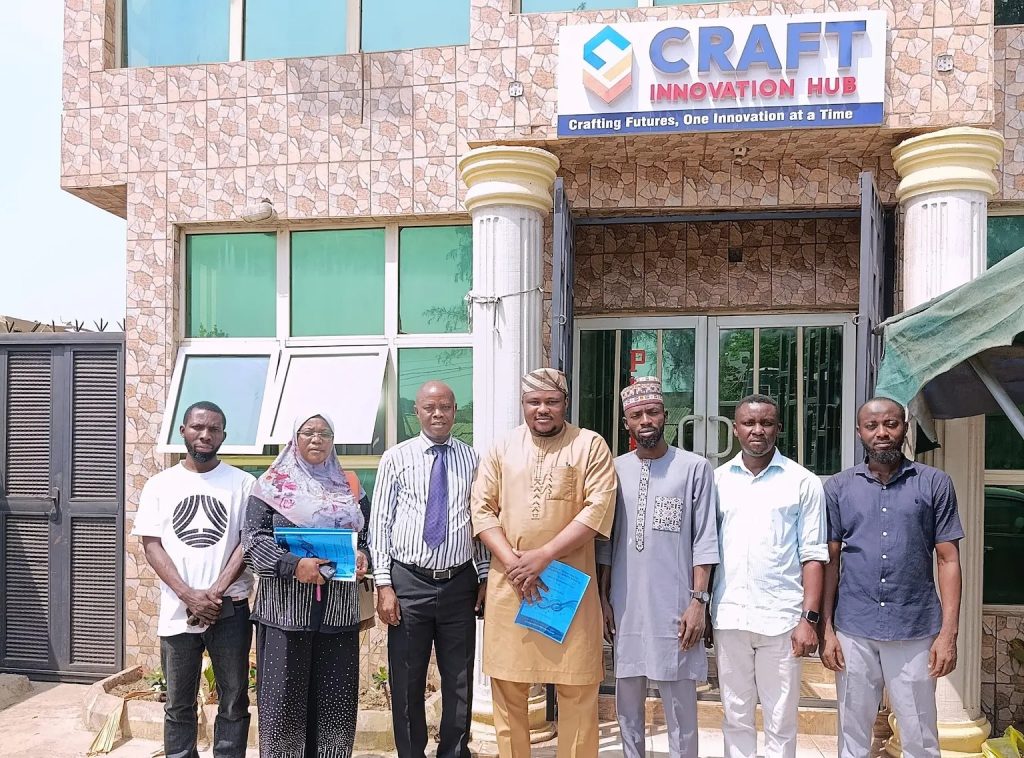
The collaboration covers the NPC-supported Productivity Core integrated into CIH programmes, including the NPC Kwara Digital Productivity and Future Skills Programme (Pilot), as well as other eligible CIH programmes where productivity classes or validation are requested through the agreed process. This gives both institutions a practical pathway to move from policy language to real learning outcomes, participant assessment, showcase evidence, and documented impact.
For learners and programme participants, the significance is clear. They gain access not only to skills training, but to programmes with stronger productivity structure, validated learning components, clearer assessment pathways, and more credible completion evidence. For institutions, communities, and implementation partners, the partnership strengthens confidence that eligible programmes can be delivered with better discipline, better documentation, and stronger outcome tracking.
For Kwara State, this partnership speaks to a larger need. Across Ilorin and similar environments, youth unemployment, underemployment, low digital adoption, and limited access to practical training remain real constraints.
CIH was designed to respond to that landscape by helping young people and small businesses gain practical skills, connect to real opportunities, and benefit from focused social impact programmes with transparent reporting. The NPC technical partnership now adds a stronger productivity lens to that mission.
This partnership marks a practical step forward for productivity-centred skills development in Kwara State. It signals a model based on clear scope, technical validation, documented outcomes, and responsible collaboration. It is a partnership built for implementation, not applause alone.
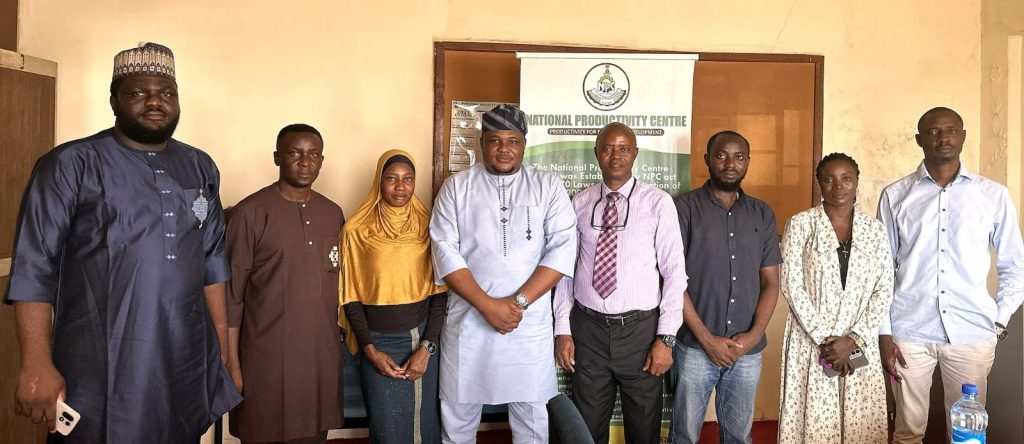
When productivity is treated as a real learning discipline, not a slogan, training becomes more credible, more measurable, and more valuable to the people it is meant to serve.
