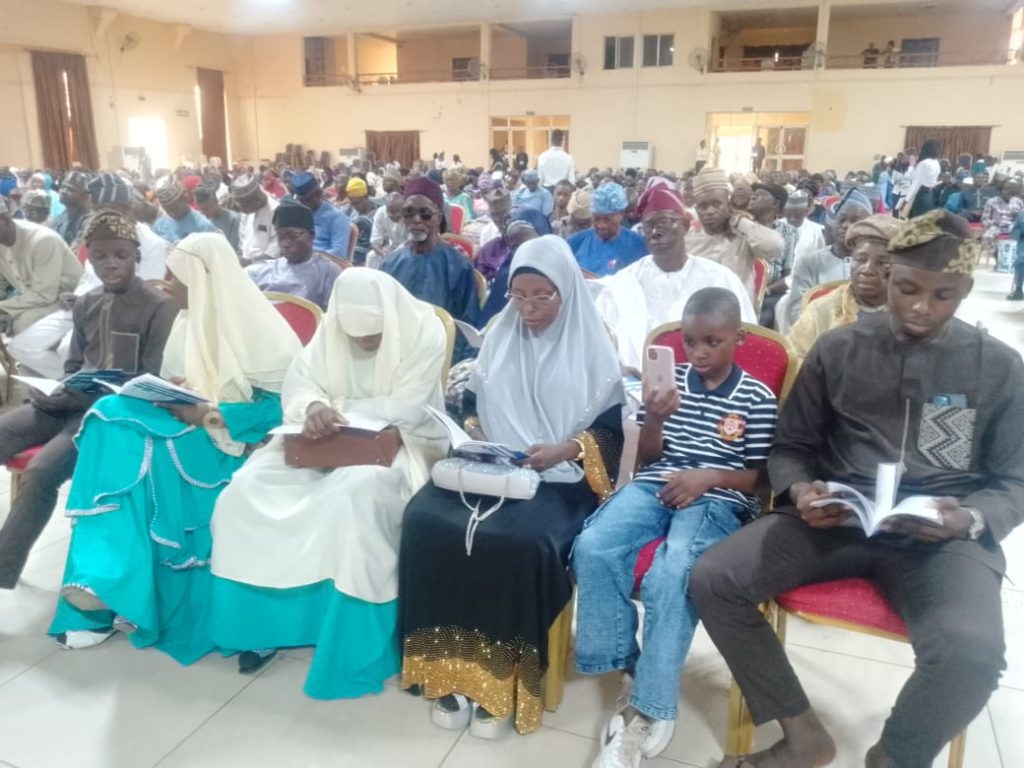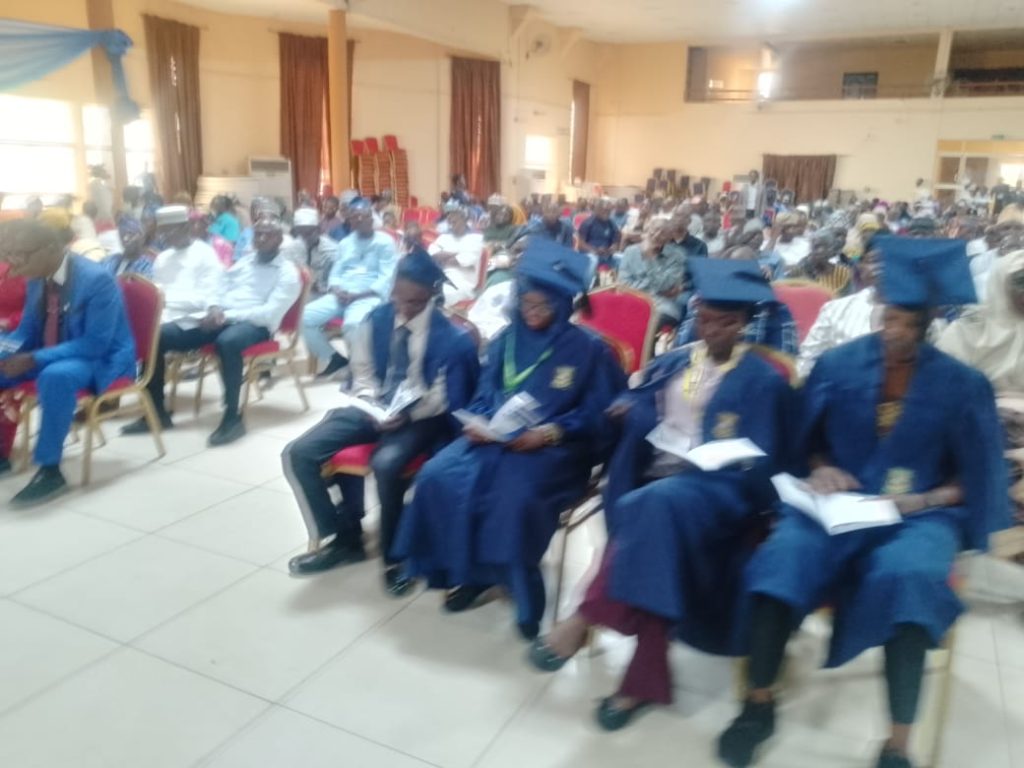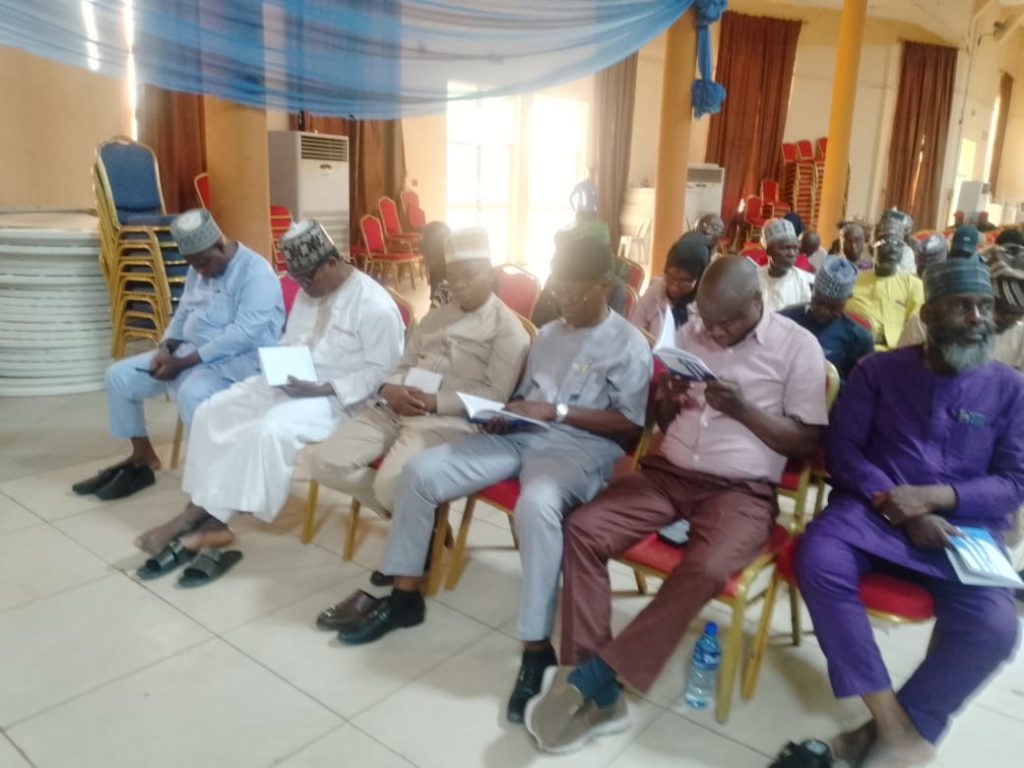
A Professor of Marketing at the University of Ilorin, Professor Mukaila Ayanda Aremu, has emphasised that marketing, though often perceived as a “small word,” carries significant implications for the survival and growth of organisations and systems.
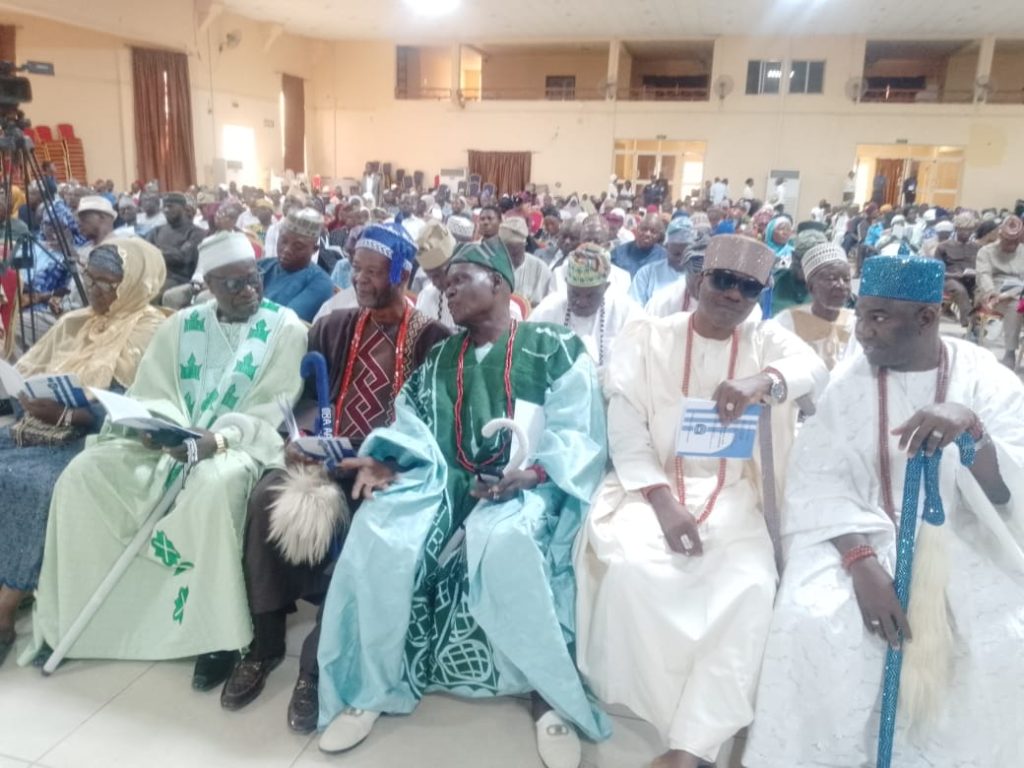
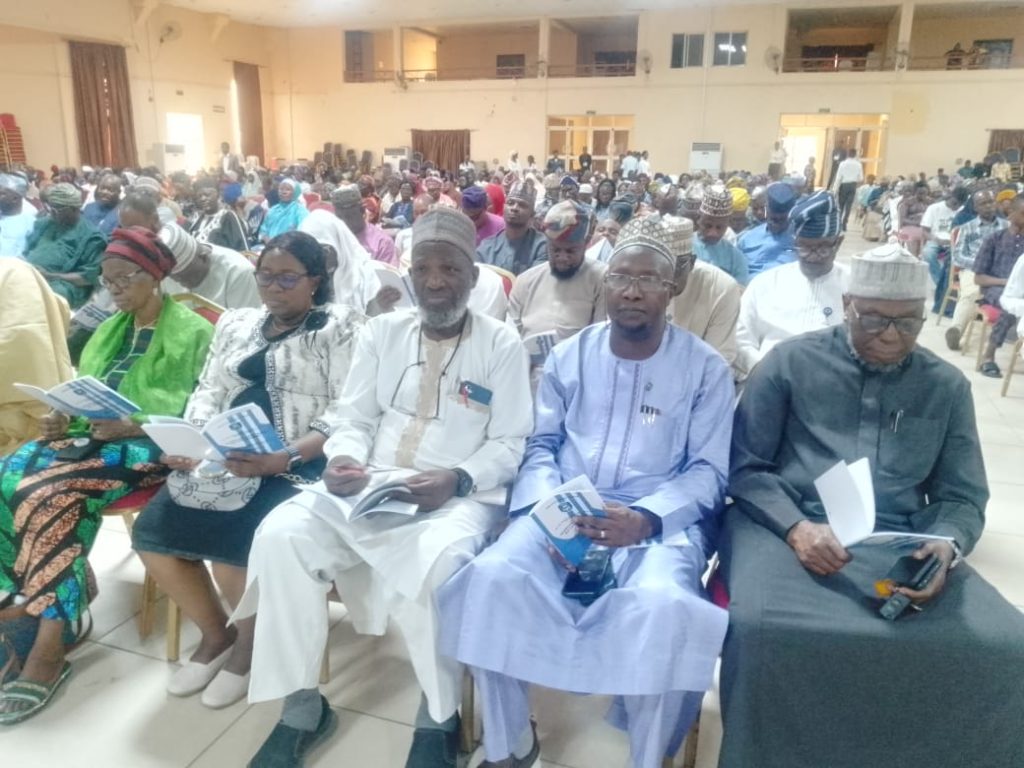
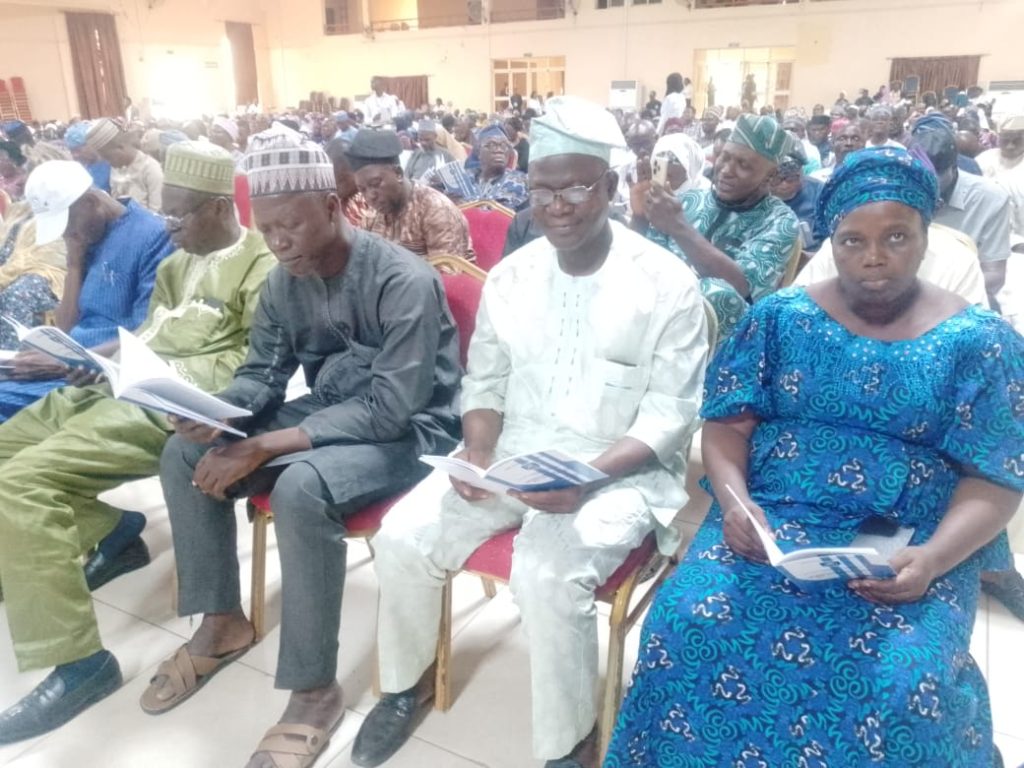
Delivering the University’s 299th Inaugural Lecture on Thursday, titled “Marketing: Small Word, Big Consequences,” Aremu argued that any system that neglects marketing risks severe consequences, including stagnation, low visibility, and eventual collapse.
The scholar explained that marketing goes beyond mere buying and selling, describing it as a fundamental driver of sustainability that enables organisations to communicate value, attract customers, and secure investment.
According to him, failure to embed marketing strategies from the outset often leads to poor adoption of products and services, dwindling support, and reduced revenue generation.
“When an organisation fails to communicate its value, it cannot attract the customers, users, or investors needed for growth. Marketing is not optional; it is a core pillar for sustainability,” he said.
Aremu noted that the evolving nature of today’s consumers, who are more informed, demanding, and sceptical, requires organisations to adopt more strategic and customer-focused marketing approaches.
He outlined several consequences of inadequate marketing, including reduced visibility, low sales or enrolment, stagnant growth, and competitive disadvantage, stressing that even well-designed organisations may struggle without effective marketing frameworks.
The professor also highlighted the role of marketing in national development, referencing global thought leaders who have argued that effective marketing can transform the economic landscape of developing countries without necessarily altering production systems.
To address these challenges, Aremu proposed a series of measures for organisations and managers, which includes: Increased investment in advertising and promotional activities to enhance visibility and revenue generation; establishment of functional marketing departments staffed by qualified professionals and emphasis on high-quality products and service diversification.
Other recommendations are: integration of strategic marketing planning into core business operations; adoption of market segmentation to improve competitiveness; utilisation of social media marketing to reach wider audiences at lower costs and implementation of effective pricing strategies aligned with consumer realities.

He also suggested regular environmental scanning to guide decision-making; improvement in service delivery with strong attention to customer feedback and rebranding of declining products and services to sustain relevance
He further stressed that marketing is a continuous process focused on building long-term relationships with customers through value creation and satisfaction.
Aremu observed that while advanced economies have successfully integrated marketing into their systems, many developing countries, including Nigeria, still lag behind, resulting in avoidable organisational and economic challenges.
The don concluded that marketing should be seen not as an auxiliary function but as a strategic necessity across all sectors, including education, governance, and business.
“Marketing is a journey, not a destination. Its goal is to build enduring relationships with customers. Without it, systems will continue to face avoidable and far-reaching consequences,” he added.