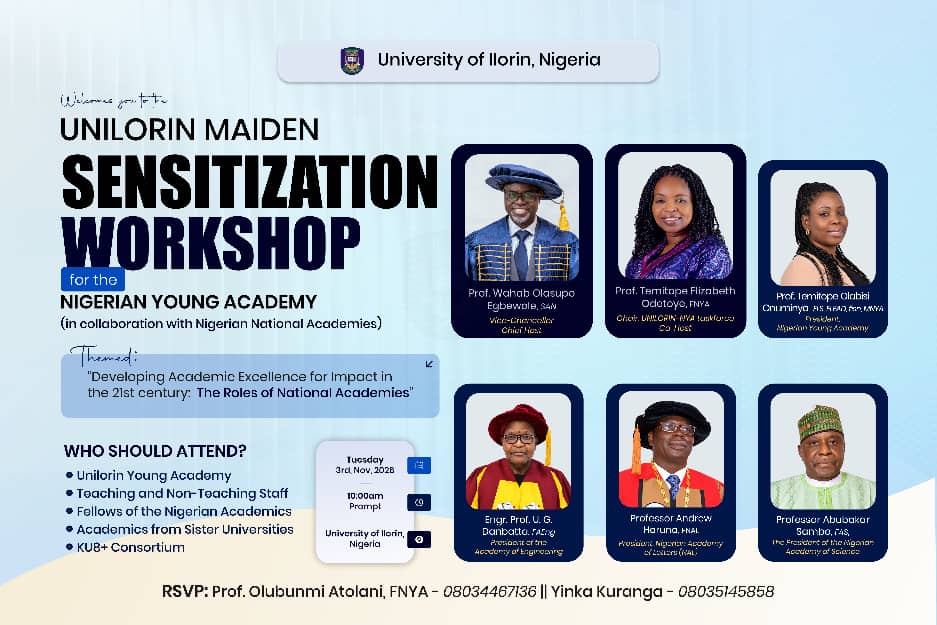
The University of Ilorin has hosted its maiden sensitisation workshop for the Nigerian Young Academy (NYA), bringing together distinguished members of Nigeria’s national academies, academics, researchers and students to explore ways of translating academic excellence into solutions to societal challenges.
The workshop, held on Tuesday, November 3, 2026, at the University Auditorium, University of Ilorin, was organised in collaboration with the Nigerian Academy of Science (NAS), Nigerian Academy of Letters (NAL), Nigerian Academy of Engineering (NAEng) and other national academies.
With the theme, “Developing Academic Excellence for Impact in the 21st Century: The Roles of National Academies,” the event focused on strengthening research excellence, promoting mentorship, encouraging interdisciplinary collaboration and bridging the gap between academic knowledge and national development.
Declaring the workshop open, the Vice-Chancellor, University of Ilorin, Prof. Wahab Olasupo Egbewole, SAN, described the initiative as a significant platform for connecting the experience of established scholars with the creativity, energy and fresh perspectives of younger academics.
Represented by the Deputy Vice-Chancellor (Research, Technology, and Innovation), Prof. Mukhtar Adeiza Etudaiye, he VC noted that universities were increasingly expected to move beyond conventional teaching and research to become drivers of innovation, national development and solutions to societal challenges.
He emphasised the importance of intergenerational collaboration, observing that while senior academics offered guidance, mentorship and accumulated knowledge, younger researchers brought new ideas and technological adaptability capable of driving innovation.
He commended the Nigerian Young Academy and the national academies for the initiative, urging postgraduate students, young academics and other participants to take advantage of the workshop to build professional networks and explore opportunities for mentorship, collaboration and research advancement.
He added that the future of academic excellence depended largely on the capacity to develop a new generation of scholars who would see Nigeria and Africa as places to transform rather than abandon.
Earlier, in her welcome address, the Chair of the University of Ilorin-NYA Taskforce and co-host, Prof. Temitope Elizabeth Odetoye, FNYA, said the workshop reflected the vision of the Vice-Chancellor to advance excellence in teaching, research and community impact.
She explained that national academies had responsibilities beyond recognising outstanding scholarship, including mentoring emerging researchers, inspiring innovation and generating knowledge capable of addressing real-life challenges.
Prof. Odetoye described the presence of presidents and representatives of the national academies as a demonstration of the importance of strengthening institutional partnerships and providing young scholars with direct access to distinguished figures in Nigerian scholarship.
She urged students and early-career researchers to maximise the opportunity by listening attentively, networking and preparing themselves for academic distinction.
The co-host appreciated the University management, the national academy presidents and fellows, as well as members of the taskforce, for their contributions towards making the programme a reality.
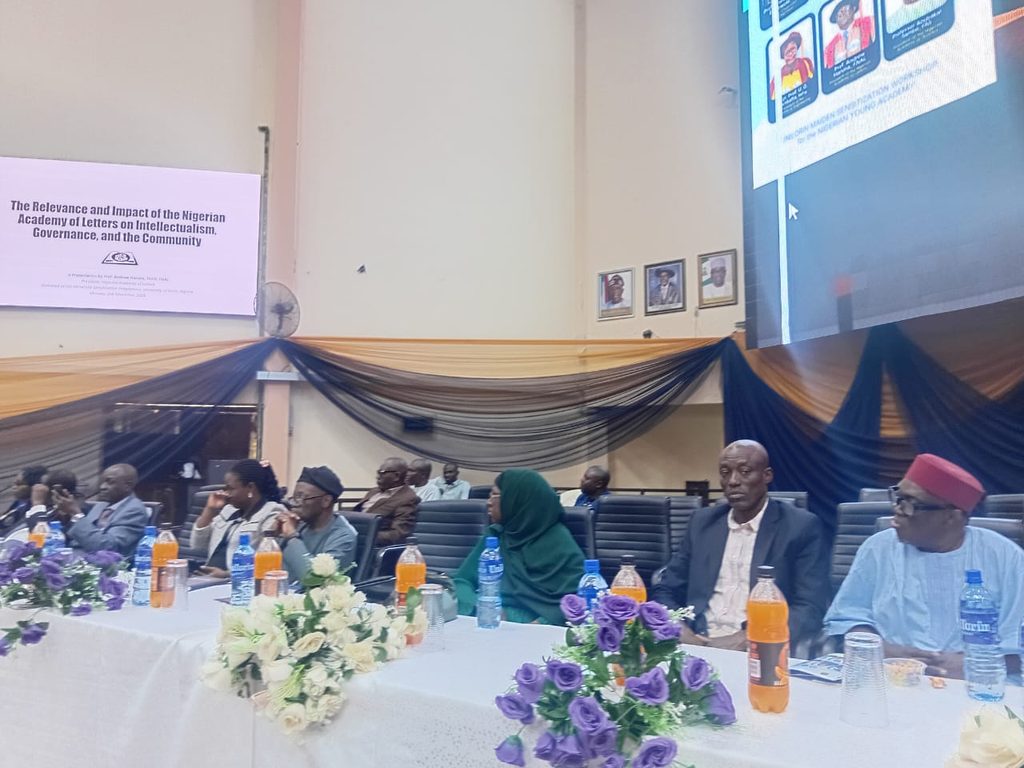
In his keynote presentation, the President of the Nigerian Academy of Letters, Prof. Andrew Haruna, FNAL, examined the role of national academies in developing academic excellence and promoting its impact in the 21st century.

Similarly, the President of the Nigerian Academy of Science, Prof. Abubakar Sambo, FAS, represented by Prof. Musa Toyin Yakub, highlighted the Academy’s contributions to scientific development, evidence-based policymaking, research mentorship and community transformation.
He explained that the Nigerian Academy of Science, established in 1977, served as an independent scientific body providing expert advice to government and other stakeholders on issues requiring scientific and technological solutions.
According to him, the Academy promotes scientific excellence through research publications, conferences, mentorship programmes and international collaborations, while also supporting young researchers through its Research Leaders Mentorship (ReLM) Programme.
He noted that the programme was designed to strengthen the research and professional capacities of early-career researchers through mentorship in research methodology, grant proposal writing, scientific communication, research ethics and career development.
Prof. Yakub also highlighted the Academy’s contributions to science-policy engagement, including its interventions on COVID-19, predatory academic practices and sexual abuse in tertiary institutions.
He encouraged Nigerian researchers to aspire to the Fellowship of the Academy, describing it as the highest scientific honour in the country and an opportunity to contribute more directly to national development and science policymaking.
Also speaking, the President of the Nigerian Academy of Engineering, Engr. Prof. Umar Garba Danbatta, FNSE, FAEng, emphasised that academic excellence should be measured not merely by publications, academic titles or the number of graduates produced, but by the extent to which research and innovation address societal needs.
In his address on “The Impact of the Nigerian Academy of Engineering in the Community,” Prof. Danbatta identified innovation, interdisciplinary collaboration, ethical leadership, entrepreneurship and the practical application of knowledge as essential components of impactful academic excellence.
He said national academies had critical responsibilities in promoting research integrity, strengthening collaboration among universities, industries and government, providing independent expert advice and developing the next generation of professionals and leaders.
The NAEng President highlighted some of the Academy’s interventions, including engineering studies following the 2024 Alau Dam flooding disaster in Borno State, advocacy on wastewater management, engagement with the Federal Government on power sector financial reforms and its National Innovation Competition and Exhibition.
He also disclosed that the Academy was collaborating with ARCO Group Plc. on an academia-industry linkage initiative aimed at transforming engineering research projects into commercially viable products.
Prof. Danbatta encouraged the University of Ilorin to strengthen its partnership with the Nigerian Academy of Engineering, particularly in research commercialisation, innovation and technological development.
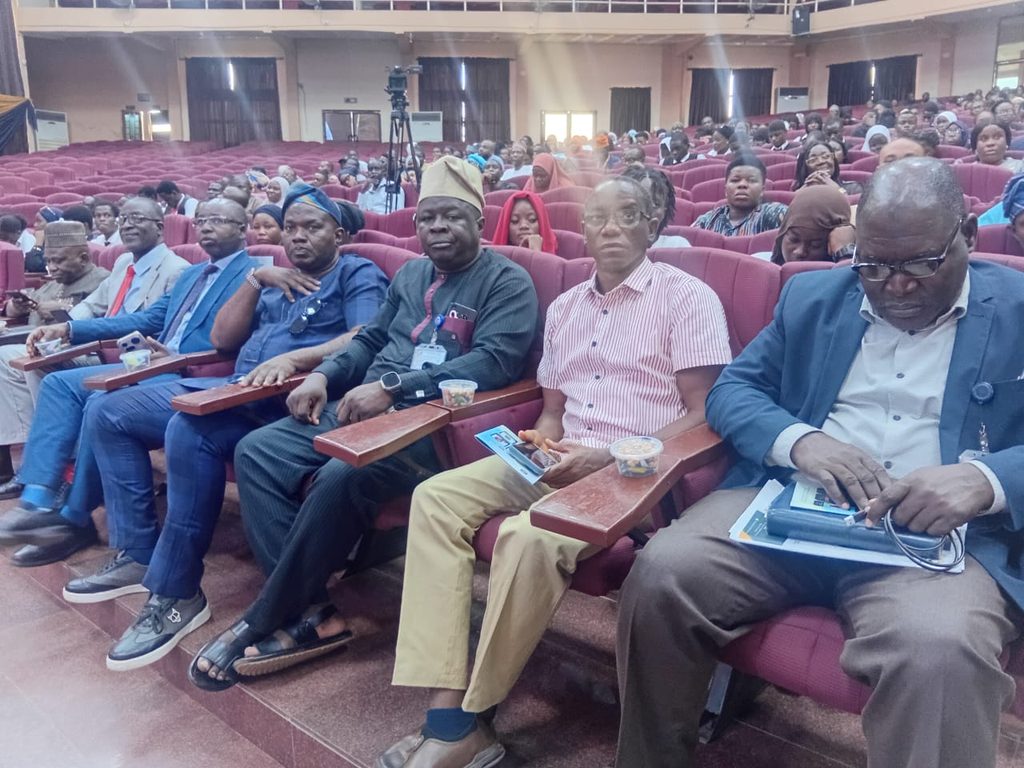
He further highlighted the importance of mentorship in preparing young academics and researchers for leadership, noting that the Academy was working towards structured mentorship arrangements to connect emerging engineering scholars with experienced fellows.
On international recognition, he explained that Nigeria’s provisional signatory status under the Washington Accord, through the Council for the Regulation of Engineering in Nigeria (COREN), represented an important step towards improving the global recognition of engineering qualifications awarded by accredited Nigerian institutions.
In another presentation, the President of the Nigerian Young Academy, Prof. Temitope Olabisi Onuminya, explained the importance of the Academy as a platform for nurturing young researchers and promoting interdisciplinary research collaboration.
He said the Academy, established in August 2010, had provided a common voice for young researchers, strengthened national cohesion among emerging scholars and improved Nigeria’s representation in international research engagements.
Prof. Onuminya explained that the NYA comprised talented researchers below the age of 45, with a vision to foster interdisciplinary research collaborations among the nation’s best young minds for the benefit of society.
She identified its core values as excellence, commitment, collaboration, volunteerism, integrity and service.
She further highlighted the Academy’s activities, including young researchers’ awards, capacity-building workshops, webinars, annual conferences, leadership development programmes and science-policy interventions.
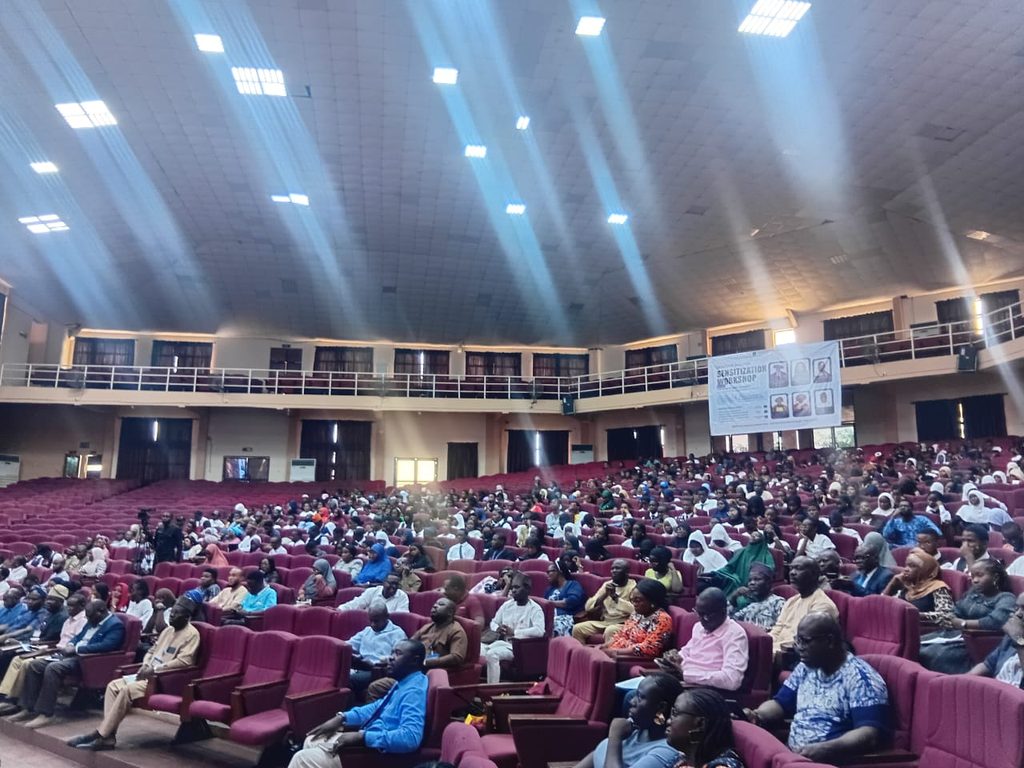
According to her, the NYA had also contributed to national policy discussions through initiatives addressing predatory academic practices, sexual abuse in tertiary institutions, COVID-19 response strategies and the promotion of STEAM education.
She encouraged eligible young researchers to watch out for the Academy’s 2027 membership call and take advantage of the opportunity to become part of the platform.
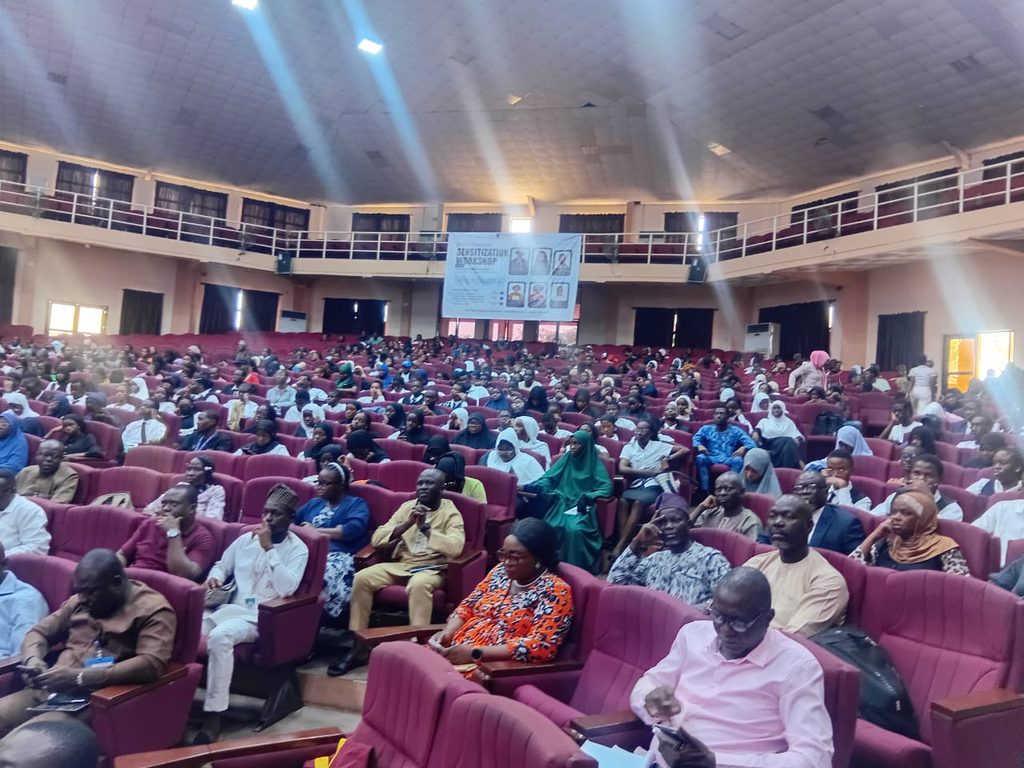
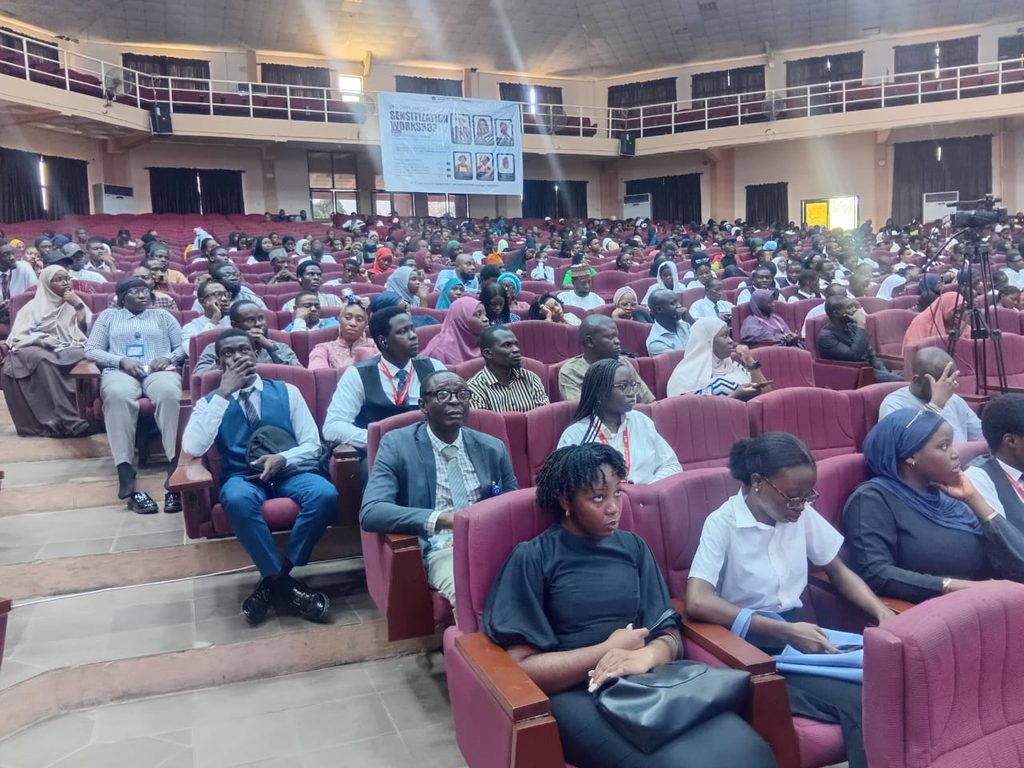
The workshop also featured interactive session, alongside other academic engagements designed to deepen participants’ understanding of the contributions of national academies to scholarship and national development.