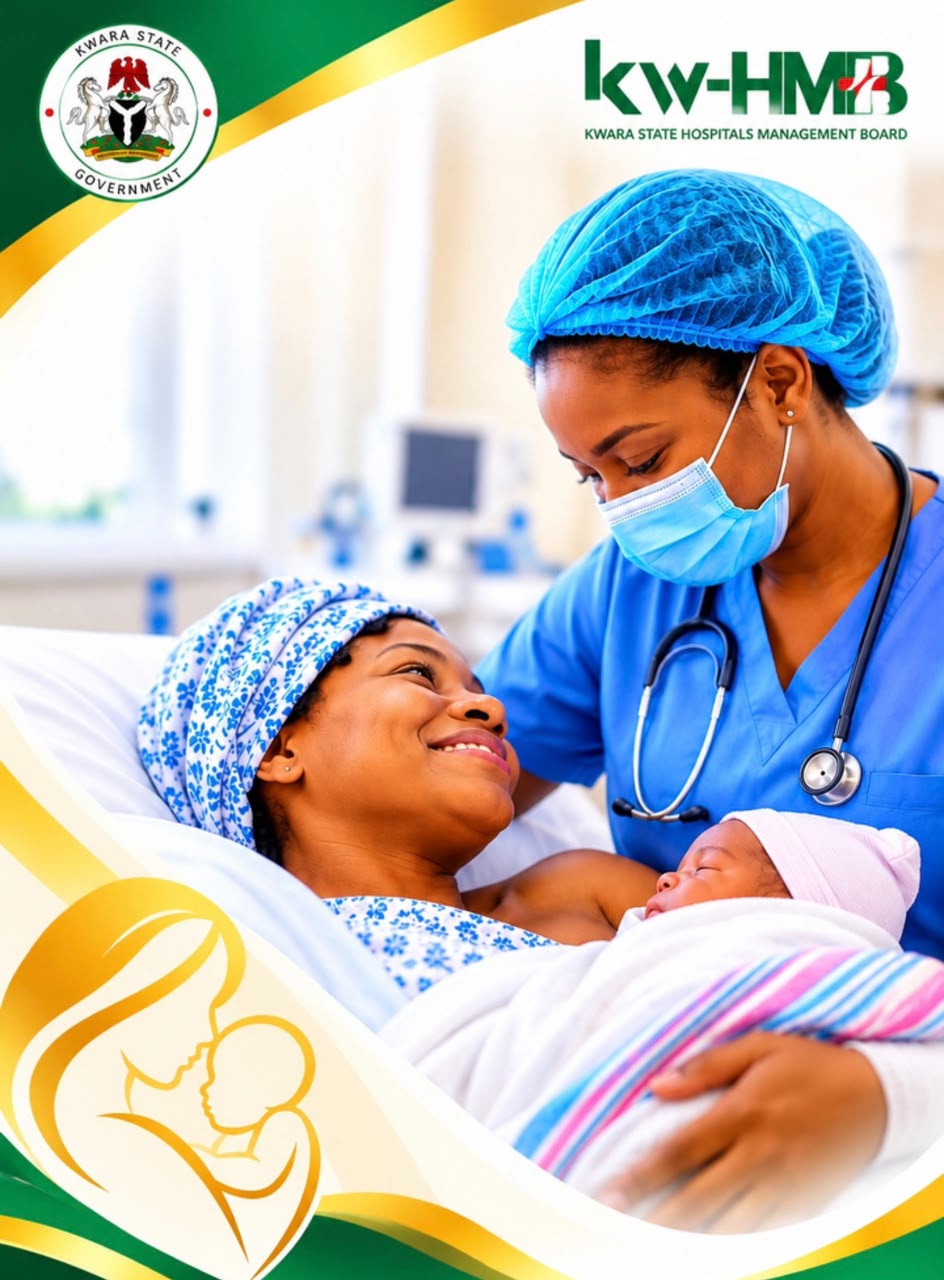
The Kwara State Government, in collaboration with the HOPE project has commenced the training of 290 healthcare workers on skilled birth attendance as part of efforts to further reduce maternal and neonatal mortality in the state.
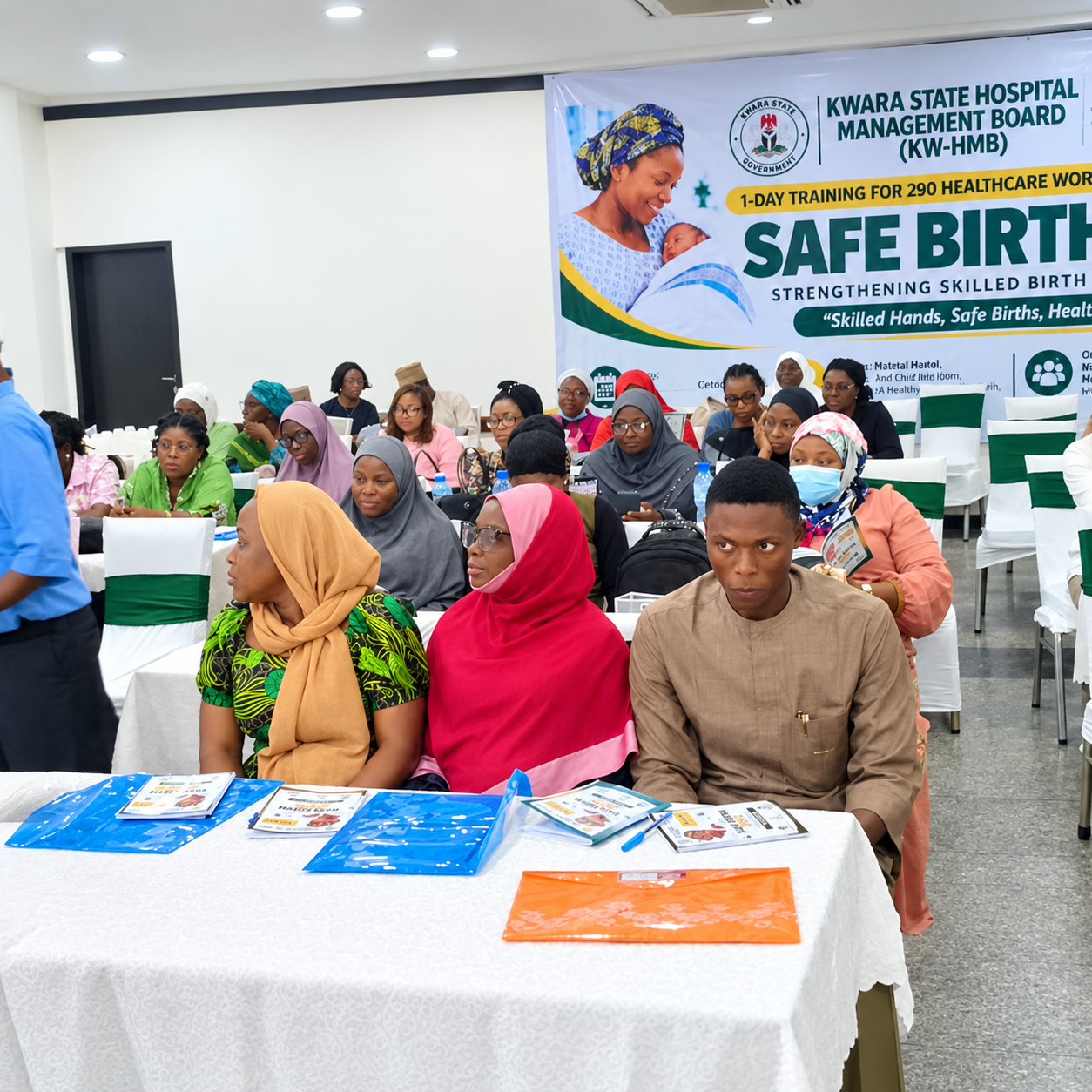
The training, organised under the Human Capital Opportunities for Prosperity and Equity (HOPE) programme, is holding at Noktel Hotel, GRA, Ilorin, from 19 October to 3 November. It is designed to strengthen the capacity of healthcare personnel in pregnancy, labour, childbirth and newborn care.
Speaking on the programme, the Executive Secretary, Kwara State Hospitals Management Board, Dr Abdulraheem Malik, said the training was aimed at equipping health workers with the skills required to provide safe and effective care to pregnant women and newborn babies.
According to him, the programme is focused on increasing the number of health workers with specialised skills in childbirth across the three senatorial districts of the state, thereby ensuring that women have access to competent personnel during labour and delivery.
“What we are trying to do with the programme is to train our health workers on skilled birth attendance. Basically, we are trying to drop the rate of maternal mortality and also neonatal mortality in Kwara State,” he said.
Malik explained that the beneficiaries were drawn from healthcare facilities across the three Senatorial Districts, adding that the initiative would make the acquired skills available to communities across the state.
He noted that maternal mortality in the state had been on a downward trend, stressing that the government was working towards achieving the World Health Organisation’s recommended level and further reducing preventable deaths.
He said the training was expected to contribute to the state’s efforts by ensuring that more health workers could properly manage childbirth and respond effectively to complications that might arise during labour and delivery.
The Executive Secretary said the programme was expected to become an annual exercise, explaining that regular retraining was necessary because of developments in healthcare delivery and the emergence of new technologies and practices.
“We are hoping to make it an annual training programme. After this one, in 2027, we hope to also retrain workers because health is constantly changing. I am sure there will be new technologies by the time we get to 2027 that we also need to impart the skills to our health workers,” he added.
Malik urged residents, particularly pregnant women, to continue to have confidence in the state’s healthcare system, assuring them that the government was making efforts to improve healthcare service delivery.
Also speaking, Director, Medical Services and Training, Kwara State Hospitals Management Board, Dr Femi Joseph said the programme brought together doctors, nurses, midwives and laboratory personnel to enhance their capacity in skilled birth attendance.
He explained that the initiative was being implemented across the country under the HOPE project, a Federal Government-led programme through which states receive grants to implement interventions aimed at improving human capital development and healthcare outcomes.
He said the training focused extensively on the different stages of labour as well as neonatal resuscitation, with particular emphasis on practical demonstrations.
Dr Joseph explained that participants were being given opportunities to practise the procedures they would be expected to carry out in labour wards and during the resuscitation of newborn babies.
The Director of Nursing Services, Kwara State Hospitals Management Board, Hajia Risikat Oyewole, also stressed the importance of continuous training of healthcare workers in the fight against maternal mortality.
She said although maternal mortality in Kwara was not among the highest in the country, the state government was determined to reduce preventable maternal deaths to the barest minimum.
She explained that the training was targeted at about 290 healthcare workers, including nurses, doctors and laboratory technicians, to ensure that pregnant women received care from skilled personnel throughout the pregnancy, labour and delivery processes.
Also speaking, Dr Olasinde Adeolu, one of the resource persons, said the training centred on labour and delivery, adding that maternal mortality in Kwara State had continued to decline in recent times.
He said the downward trend was an indication of the progress being made in the state’s efforts to improve maternal healthcare and strengthen the capacity of health workers.
One of the participants, Nurse Florence, an Assistant Chief Nursing Officer, said the training had provided an opportunity for participants to refresh and update their knowledge of safe birth and safe delivery practices.
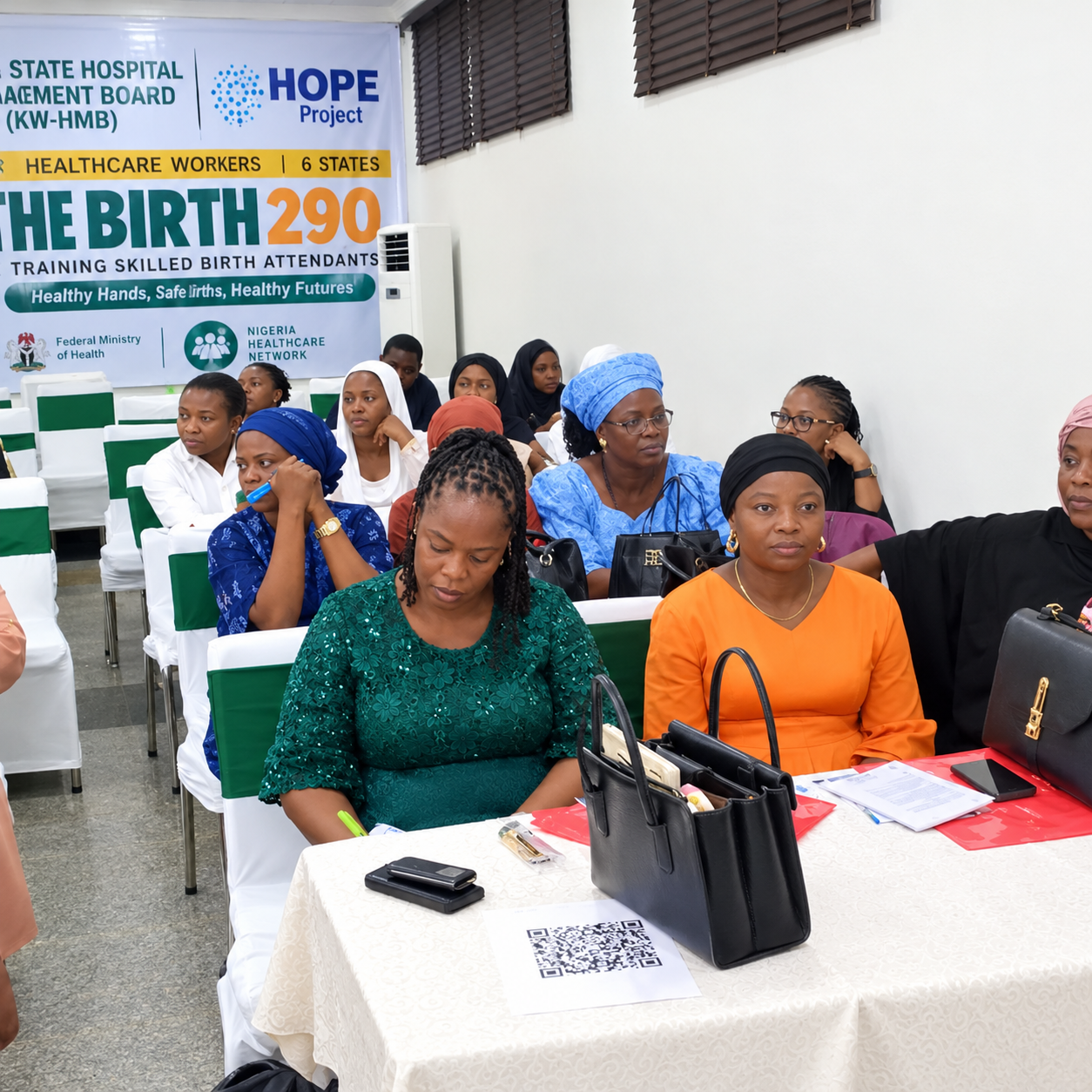
She said participants were being reminded of the appropriate procedures to follow from the point a woman became pregnant through antenatal care, labour and delivery.
