By Fatima Mohammed-Lawal
The Kwara Government, in collaboration with Society for Family Health (SFH) have renewed commitment to ensuring access to quality, affordable and uninterrupted family planning services across the state.
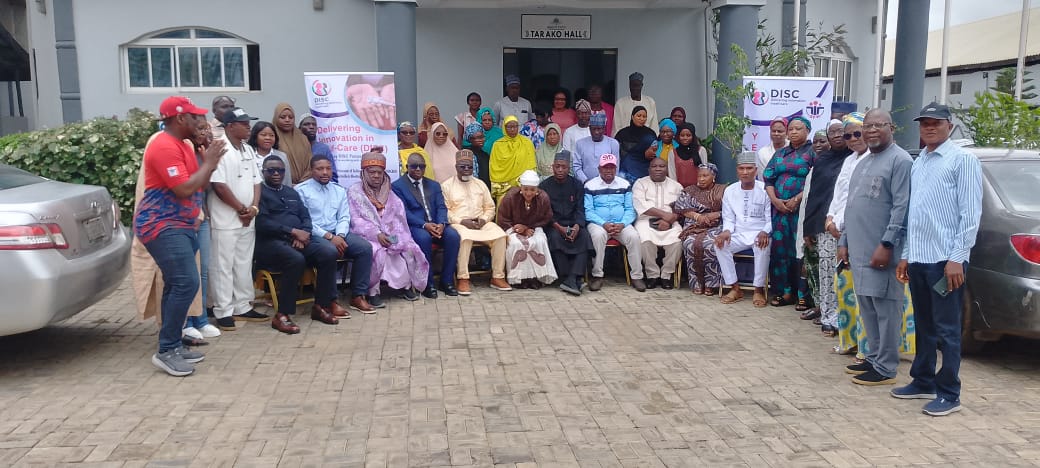
The Kwara Commissioner for Health, Dr Amina El-Imam stated this in Ilorin at the Kwara State 2026 Bi-annual Stakeholders’ Strategic Coordination Meeting.
The theme is entitled: “Strengthening Family Planning Integration, Government Ownership and Accountability within Sector Wide Approach (SWAp), Maternal and Neonatal Mortality Reduction Innovation Initiative (MAMII) at State and LGA Levels”.
The commissioner said the meeting came at a critical time to renew collective commitment to ensuring that every individual and couple in the state could make informed and voluntary decisions about the timing and spacing of their children.
“Family planning is not merely a health intervention. It is a fundamental component of universal health coverage, maternal and child health, women’s empowerment, poverty reduction and sustainable development.
“When women and couples are able to plan their families, the benefits extend beyond the household to communities and the entire state,” she said.
El-Imam said planned pregnancies reduced the risk of maternal and newborn complications, improved child health and nutrition, and supported girls’ and women’s education and economic participation.
She disclosed that Gov. AbdulRahman AbdulRazaq had recently approved funds for the United Nation Population Fund (UNFPA) basket fund for the procurement of family planning commodities.
“The approval is a big step in sustaining gains in family planning by ensuring availability of commodities at health facilities,” she said.
The commissioner however noted that effective family planning services required more than commodities.
She listed informed communities, competent and motivated healthcare providers, reliable data, strong referral systems, effective demand-generation activities and youth-friendly services as critical.
She also identified misconceptions and myths, fear of side effects, concerns about privacy and confidentiality, religious and socio-cultural influences and limited male involvement as barriers affecting utilisation.
El-Imam added that stock-outs, inadequate funding, geographical barriers and gaps in quality of counselling also remained challenges.
She urged stakeholders to ensure services were available, accessible and acceptable, with deliberate focus on adolescents, women in hard-to-reach communities, persons with disabilities and vulnerable populations.
In his address, Mr Michael Titus, the Reproductive, Maternal, Newborn, Child and Adolescent Health plus Nutrition (RMNCAH+N) Communication Lead, SFH, Nigeria, emphasised the importance of child spacing.
Titus said SFH was collaborating with the Kwara Government in providing cost-effective measures to address maternal mortality in the state.
“This is reducing the deaths of mothers who die due to pregnancy complications or child birth complications.
“We are supporting the state through this investment to make sure that many women have access to quality, life saving child spacing across the hinterlands.
“This also includes creating male engagement to ensure that they understand what it is, because many men don’t know really why they need to go and support their wives,” he said.
He said the meeting was a bi-annual stakeholders’ meeting with government, traditional leaders, local government and religious leaders to deliberate and find solutions to challenges.
Titus disclosed that Kwara recorded about 70 per cent in area of social readiness, adding that stakeholders had shown commitment to overcome lingering challenges.
Also speaking, the State Family Planning Coordinator, Mrs Bashirat Jatto, said the objective of the meeting was to present and share results of the Transition Readiness Assessment with state and LGA stakeholders.
Jatto said the meeting was also to highlight priority gaps and opportunities for aligning FP interventions with SWAp and MAMII governance, financing and demand generation, among others.
Earlier, the Permanent Secretary of the Ministry, Dr Abdullahi Taoheed, said family planning remained a critical component of universal health coverage.
Taoheed said it was a key intervention for improving maternal, newborn, child, and adolescent health outcomes.
“The meeting provides an important platform to review progress, identify persistent gaps, strengthen coordination, and agree on practical actions to improve access to quality, affordable, rights-based services,” he said.
NAN reports that the meeting drew participants from government, development partners, civil society organisations, healthcare providers and community leaders.
