By Fatima Mohammed-Lawal
The United Nations Children’s Fund (UNICEF) has advocated an integrated, community-driven recovery programme to support survivors of the Woro community kidnapping overcome trauma, rebuild confidence and reintegrate into their communities.
The Kwara Government had on Aug. 5, announced that 176 kidnapped victims from the Woro community in Kaiama Local Government Area regained their freedom.
The victims had spent over six months (183 days) in captivity following a violent attack in February.
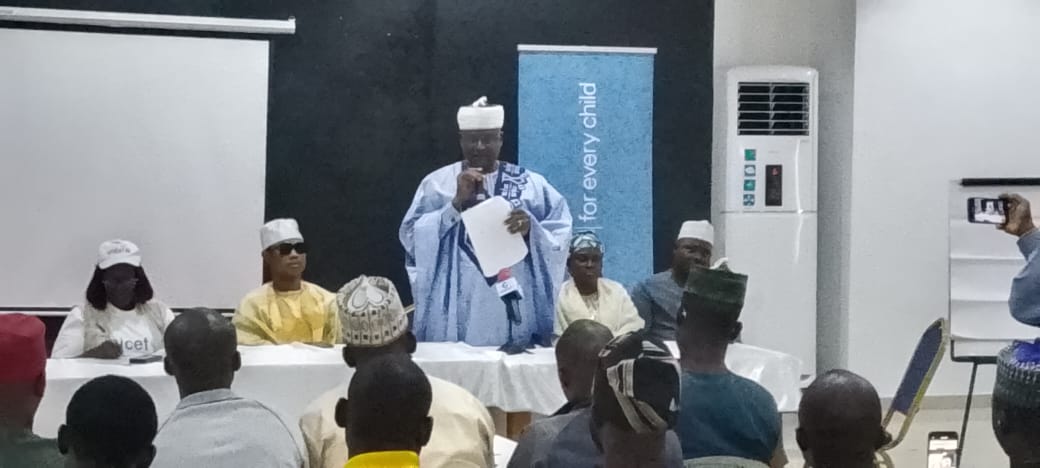
NAN reports that UNICEF in collaboration with Kwara government and other development partners are inaugurating and training social workers on mental health and psychosocial support for the victims.
Speaking on the sidelines of the training, the UNICEF Kaduna Chief of Field Office, Dr. Gerida Birukila, said that rebuilding communities after violence requires trusted institutions and leaders capable of restoring confidence, promoting inclusion and strengthening social cohesion.
Birukila who was represented by the Emergency Focal Person, Mrs. Theresa Pamma, stressed the need to help the victims and their families regain a sense of safety.
She said that the community would recover when families supported one another, leaders governed inclusively and created spaces where people could speak freely without fear of intimidation or victimisation.
She also emphasised the role of teachers in helping children reconnect with learning and return to normal childhood activities.
According to her, UNICEF collaborated with the Kwara government to provide mental health and psychosocial support to survivors of kidnapping.
“The aim is to help them reconnect with their community and regain the confidence to participate in every day life,” she said.
Birukila explained that through the training, UNICEF was equipping participants with the tools and skills to support one another with empathy and without judgment.
She said the recovery of children must enable them reclaim the ordinary experiences that make childhood meaningful, particularly learning, playing, forming friendships, feeling safe and dreaming about the future.
“The importance of survivors and children’s recovery should not be isolated or treated merely as victims of a crisis, but as people with rights, abilities, aspirations and a future.
“A child who is traumatised may need a social worker; a child who has missed school needs an opportunity to learn again.
“A family struggling after displacement may need protection, health, nutrition, safety, access to water, sanitation and hygiene,” she said.
She noted that UNICEF remained committed to working with the state government and people to strengthen an integrated prevention and response system.
According to her, the system will bring together health, nutrition, child protection, education, and water, sanitation and hygiene services aimed at supporting human-centred development in the state.
The UNICEF official described the release of 156 members of the Woro community, including 75 children, after six months in armed captivity as a moment of gratitude and relief.
She commended the Federal and state governments, as well as all those who contributed to securing the survivors’ release and supporting their return.
The Kwara Commissioner for Social Development, Dr. Mariam Imam, said the state government had partnered with UNICEF to rehabilitate the victims following the trauma they experienced while in captivity.
Imam said the victims would remain under government’s care for three months to help restore their mental health and provide the psychosocial and mental support needed for them to return to normalcy.
Dr Christy Oluwole, the Executive Director of Global Hope for Women and Children Foundation, said the training was designed to engage service providers, social workers and community leaders.
She said these people would support the victims through psychosocial and mental health interventions aimed at helping them overcome their trauma and heal.
Abayomi added that the intervention would restore the victims’ hope and rebuild their dignity for successful reintegration into the community.
In his presentation, the UNICEF Child Protection Specialist, Dr. Wilfred Mamah, cautioned against discrimination against the survivors, stressing that they must not be subjected to emotional injury, abuse, neglect or maltreatment.
The Village Head of Woro Community, Alhaji Umar Bio Salihu, appreciated the federal and state governments for securing the release of the victims.
He said the survivors needed counselling and urged participants at the training to work towards helping them overcome the memories and trauma associated with their captivity.
The Chairman of the Woro Intervention Committee, Alhaji Ahmed Ibn Mohammed, however, disclosed that 26 victims from the community were still in captivity.
He said 13 of them were reportedly believed to have died in captivity, while the remaining 13 were still being held by their abductors.
