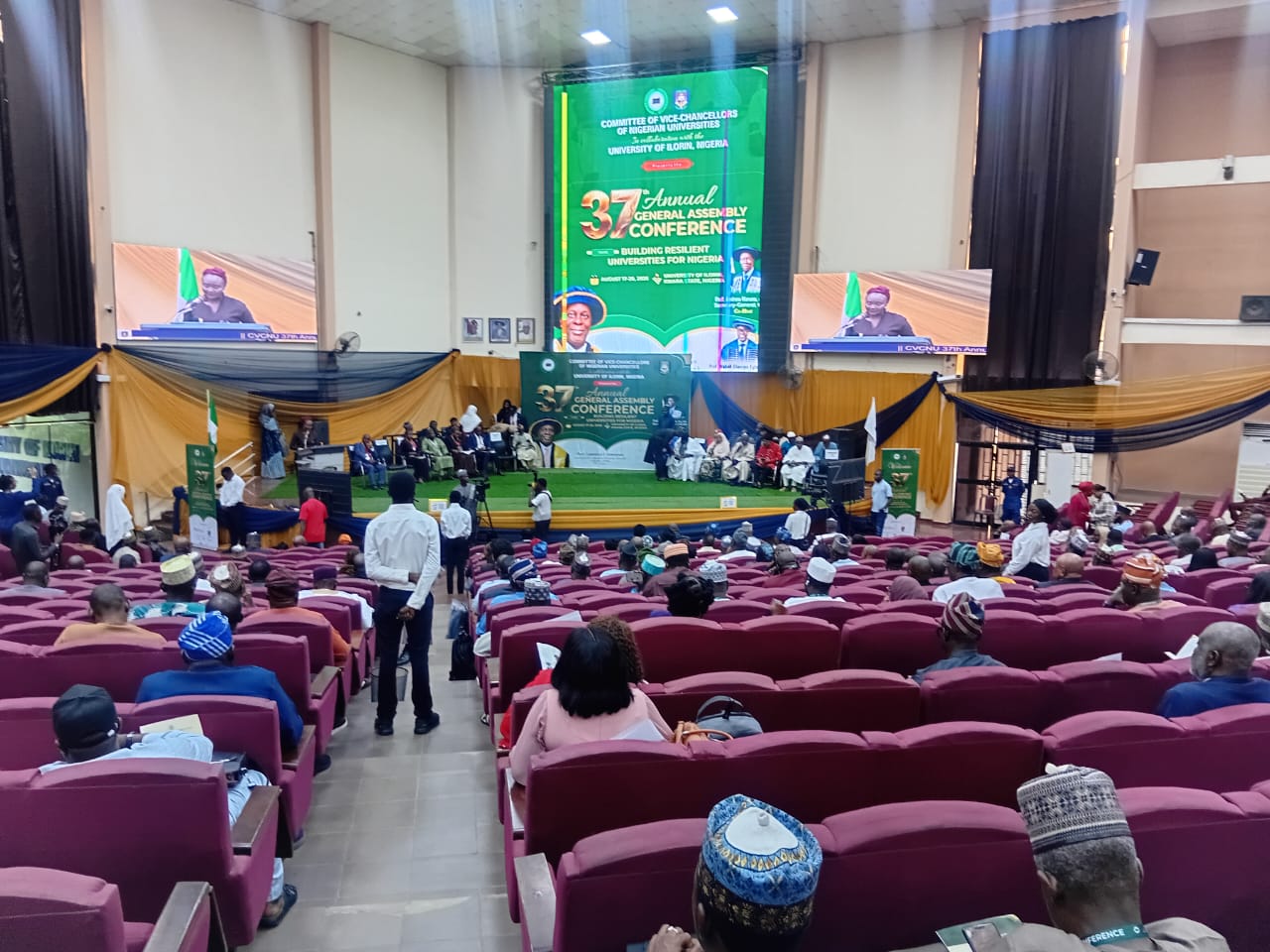
President Bola Ahmed Tinubu, Kwara State Governor, Mallam AbdulRahman AbdulRazaq and former University of Ilorin Vice-Chancellor, Professor Is-haq Oloyede, have called for fundamental reforms, stronger governance, innovation and collaboration to build a more resilient and globally competitive Nigerian university system.
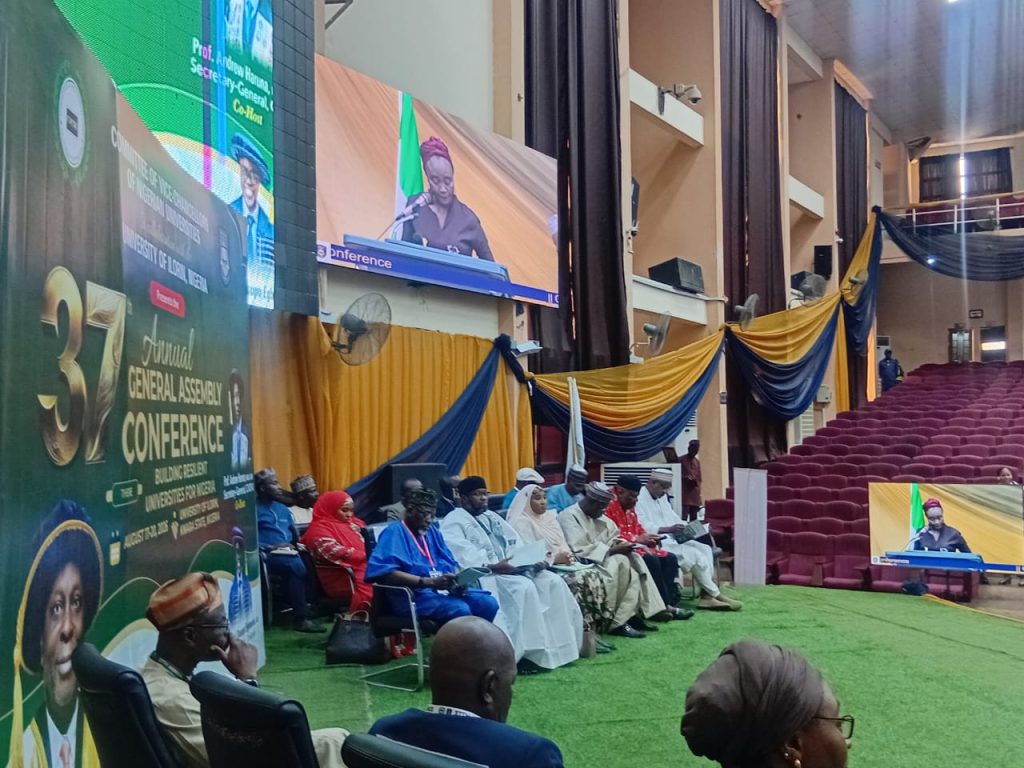
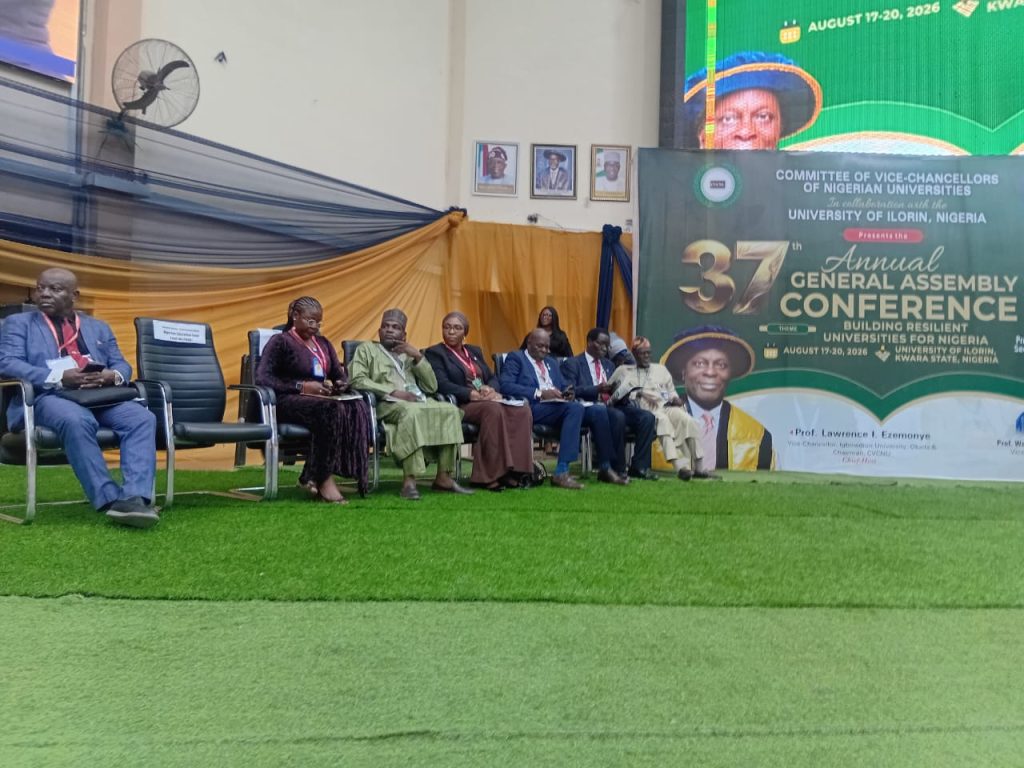
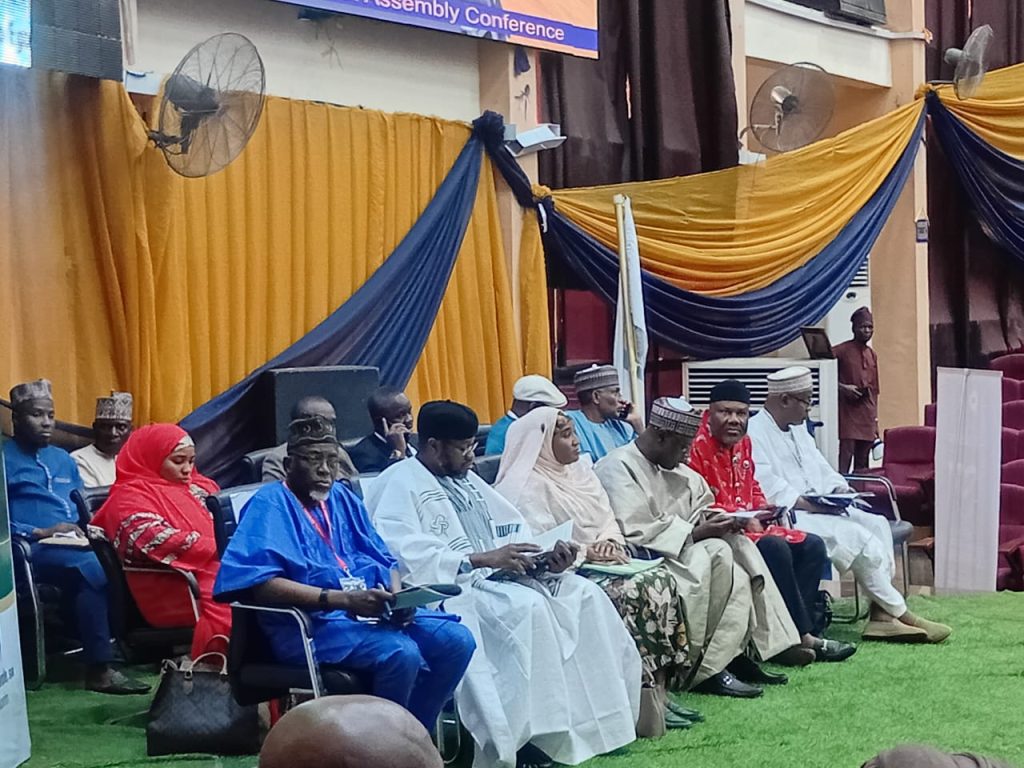
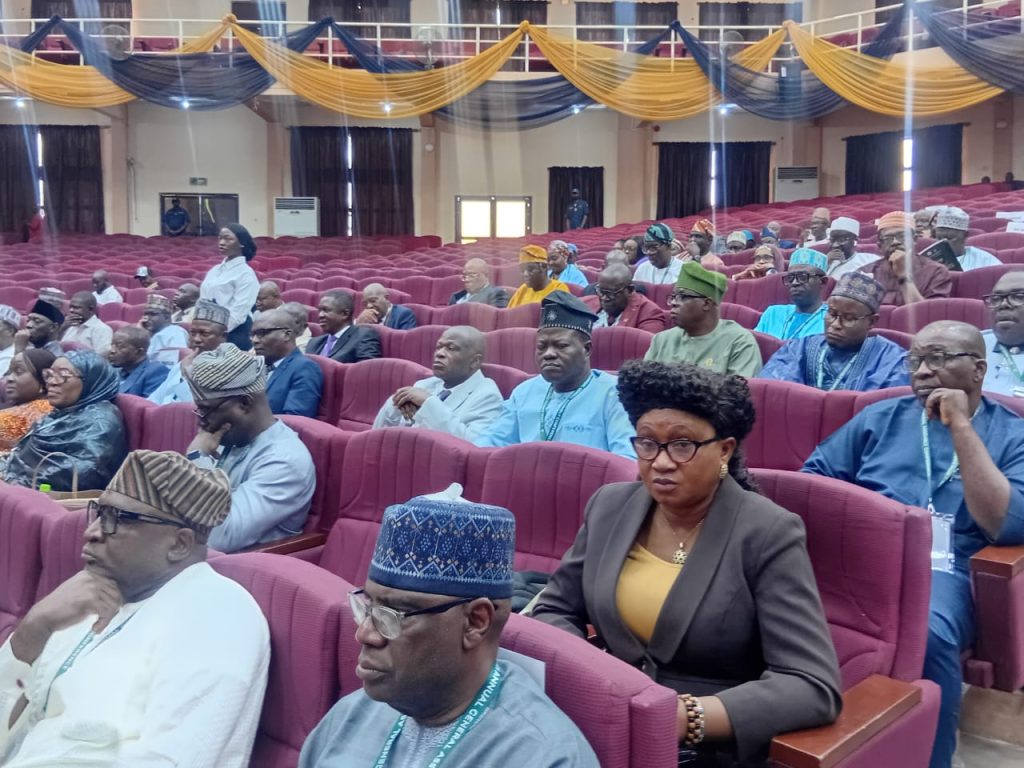
The calls were made on Tuesday at the opening of the 37th Annual Conference and General Assembly of the Committee of Vice-Chancellors of Nigerian Universities (CVCNU) held at the University of Ilorin, Kwara State.
The conference, which has as its theme, “Building Resilient Universities for Nigeria,” brought together Vice-Chancellors and other major stakeholders in the university system to deliberate on the future of higher education amid technological disruption, artificial intelligence, funding challenges, changing labour-market demands and growing global competition.
Represented by the Minister of State for Education, Professor Suwaiba Said Ahmad, President Tinubu said universities remained central to the transformation of Nigeria and that education and human-capital development were firmly positioned within his administration’s Renewed Hope Agenda.
Tinubu commended the CVCNU for sustaining the conference as a platform for dialogue, reflection, collaboration and collective action, urging university leaders to use the gathering to move beyond identifying challenges and develop practical and sustainable solutions for the sector.
He said universities must be seen as more than institutions for awarding degrees, stressing that they should serve as centres of knowledge creation, innovation, critical thinking, entrepreneurship and national transformation.
He challenged universities to produce graduates who are academically sound, ethical, digitally competent, innovative, entrepreneurial and capable of solving real-world problems.
The President warned that the rapid growth of artificial intelligence, automation, biotechnology, renewable energy, digital learning, data science and other emerging technologies was changing the nature of work, saying universities must therefore continually review their curricula and methods of teaching to remain relevant.
He said the Federal Government was pursuing reforms to improve the quality, relevance, accessibility, affordability and accountability of tertiary education, citing the Nigeria Education Sector Renewal Initiative as part of efforts to strengthen governance, quality assurance, research, innovation, digital transformation and skills development across the education sector.
Tinubu also challenged Vice-Chancellors to strengthen institutional accountability and prudent management of public resources, stressing that effective governance was fundamental to the success of university reforms.
He described good governance as an instrument for building public confidence, institutional credibility and sustainability.
On research and graduate employability, the President urged universities to strengthen partnerships with government, industry, development partners and communities so that research could translate into products, policies, technologies and solutions to national problems.
He also called for stronger university-industry partnerships, internships, work-based learning and entrepreneurship programmes to ensure graduates become value creators and not merely job seekers.
He reaffirmed the Federal Government’s commitment to reducing financial barriers to tertiary education through interventions including the Nigerian Education Loan Fund, while stressing that student financing must be complemented by quality academic programmes, adequate infrastructure, effective student support and an environment conducive to learning.
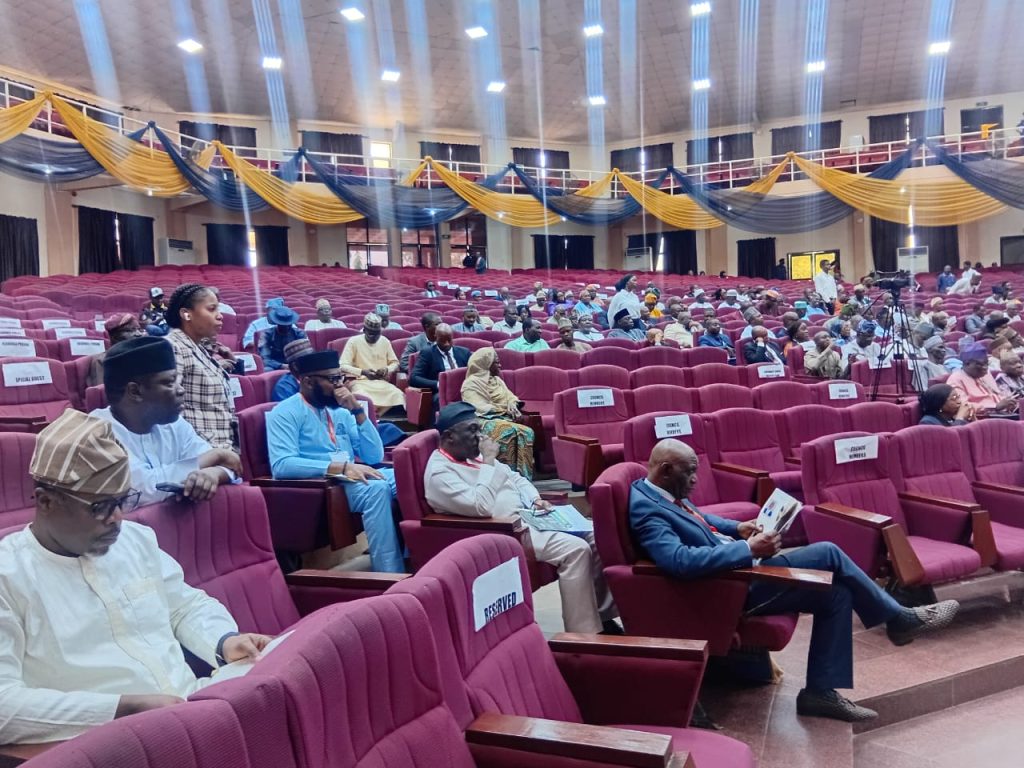
Governor AbdulRahman AbdulRazaq, represented by the Commissioner for Education and Human Capital Development and Supervising Commissioner for Tertiary Education, Dr. Lawal Olohungbebe, welcomed the Vice-Chancellors and delegates to Kwara State, describing Ilorin as the “City of Harmony” and the University of Ilorin as one of the state’s greatest educational assets.
AbdulRazaq said the decision to host the 37th CVCNU conference at the University of Ilorin was significant and reflected the institution’s reputation and contribution to education in Kwara State and Nigeria. He commended the Vice-Chancellor, Professor Wahab Olasupo Egbewole, SAN, for his leadership and described him as a worthy ambassador of the institution.
The Governor said his administration recognised the importance of tertiary education and had continued to invest in education across different levels, stressing that efforts to improve universities must begin with building a strong foundation at the basic and secondary levels.
He highlighted KwaraLEARN, the state’s basic education intervention, saying it had strengthened supervision of teachers and classroom activities.
According to him, the initiative enables the government to monitor not only teachers’ presence but also what happens in classrooms, with the objective of preparing students adequately before they proceed to tertiary institutions.
AbdulRazaq said community development, service learning and community engagement should occupy a central position in university education, arguing that universities must translate knowledge into solutions that directly affect their host communities.
He urged participants to ensure that the conference produced outcomes that would not remain on shelves but would translate into tangible local impact and international relevance.
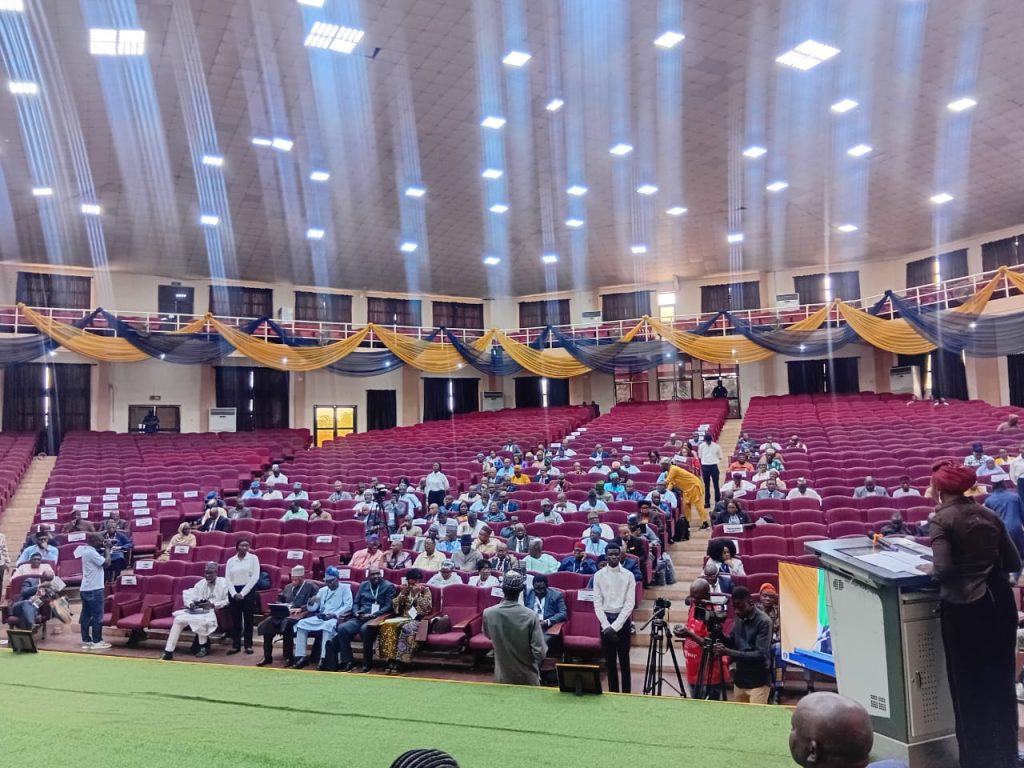
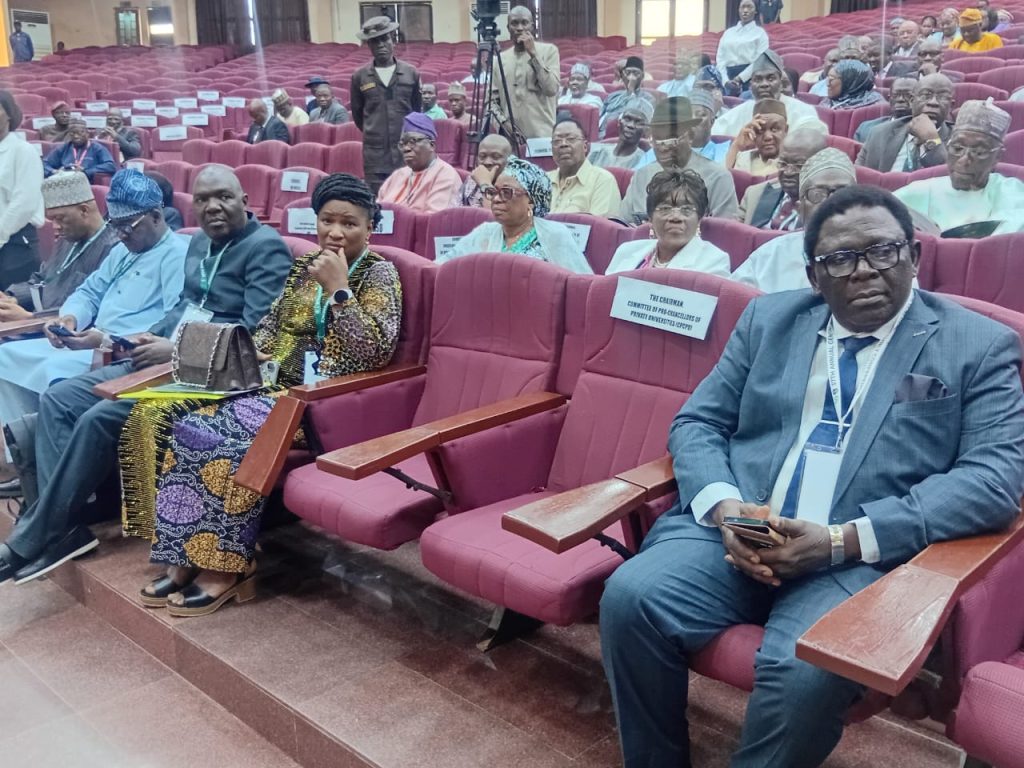
He expressed appreciation to the CVCNU and the University of Ilorin for bringing leading university administrators and education experts to Kwara, saying the combined experience represented a huge intellectual resource for the state.
He urged participants to use the opportunity to develop practical solutions capable of strengthening Nigerian universities and contributing to national development.
Delivering the keynote address, Professor Is-haq O. Oloyede called for a fundamental “reimaging” of Nigerian universities, arguing that resilience should not mean merely surviving recurring crises but building institutions capable of anticipating risks, adapting intelligently and transforming themselves when existing systems no longer serve the public interest.
Speaking on “Reimaging Nigerian Universities for Resilience: Leadership, Innovation and Sustainability in a Disruptive Era,” Oloyede said Nigerian universities were facing overlapping demographic, technological, fiscal, environmental and legitimacy pressures that required institutional rather than temporary responses.
He warned against celebrating institutions that continue to function despite inadequate facilities, unreliable infrastructure and other systemic weaknesses, saying such endurance should not become a substitute for reform.
He argued that a resilient university must be built around strong leadership, transparent systems, reliable data, effective risk management and institutional structures capable of surviving beyond the tenure of individual leaders.
Oloyede called for greater use of artificial intelligence and digital technologies, but warned that innovation should not simply mean buying computers or digitising inefficient processes.
He urged universities to redesign teaching, learning and assessment to reflect the realities of the AI era, including developing institution-wide policies on responsible AI use, data protection, academic integrity and human judgement.
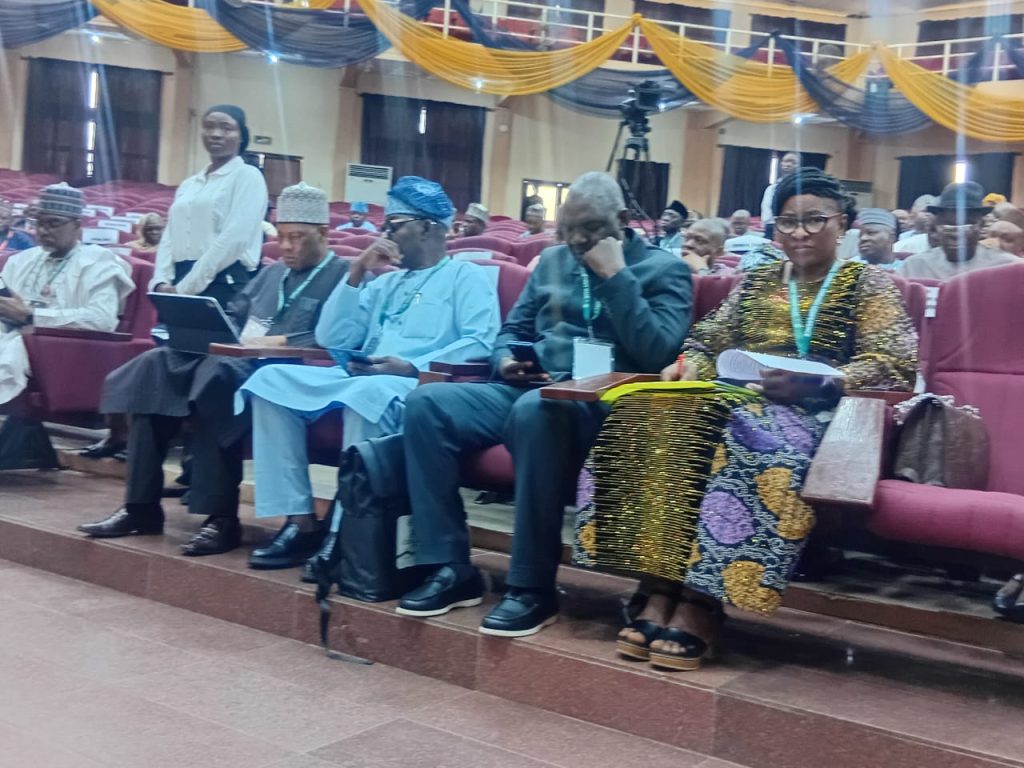
He also advocated mission differentiation and stronger collaboration among universities, arguing that institutions should stop unnecessarily duplicating programmes, expensive facilities and expertise.
He proposed shared laboratories, joint research programmes, inter-university student mobility, shared digital resources and collaborative procurement as ways of reducing costs and improving quality.
As a major outcome of his presentation, Oloyede proposed the establishment of a Nigerian Universities Resilience Compact, with measurable commitments covering institutional integrity, risk-informed governance, student success, curriculum relevance, digital transformation, research, sustainable financing, human-capital development, climate-smart campuses and inter-university collaboration.
He challenged every university represented at the conference to return to its campus with a 90-day action plan identifying its most serious vulnerabilities, selecting transformative priorities, assigning responsibilities, providing resources and establishing measurable indicators of progress.
He urged the CVCNU to monitor implementation and publish an annual sector report on progress and persistent challenges.
Earlier, in his welcome address, the Secretary-General of the CVCNU, Professor Andrew Haruna, FNAL, FLAN, called for greater unity among Vice-Chancellors, stressing that Nigeria’s universities, despite differences in ownership, size and circumstances, remained part of one national university system.
Haruna said the CVCNU had existed for 64 years as a platform for collective leadership, consultation, collaboration, capacity building and solidarity, noting that its history had contributed to important developments in Nigerian higher education.
He referenced the Keffi Declaration of 2012 as an example of what could be achieved when Vice-Chancellors placed collective interests above individual institutional concerns.
He urged members to strengthen cooperation and ensure that CVCNU remained a platform for solving common problems rather than only a body that becomes active during crises.
He also called for a balance between university autonomy and accountability, urging Vice-Chancellors to protect the integrity of their institutions while maintaining constructive engagement with government, Governing Councils, regulators, unions, industry and other stakeholders.
The conference, which brings together leaders from Nigeria’s federal, state and private universities, is expected to focus on practical measures for strengthening governance, funding, research, digital transformation, academic excellence, student welfare and institutional resilience.
The opening session therefore set a strong agenda for the conference: that Nigerian universities must move beyond merely surviving persistent challenges and deliberately build institutions capable of adapting to disruption, producing relevant graduates, generating useful knowledge and contributing directly to Nigeria’s development.
